
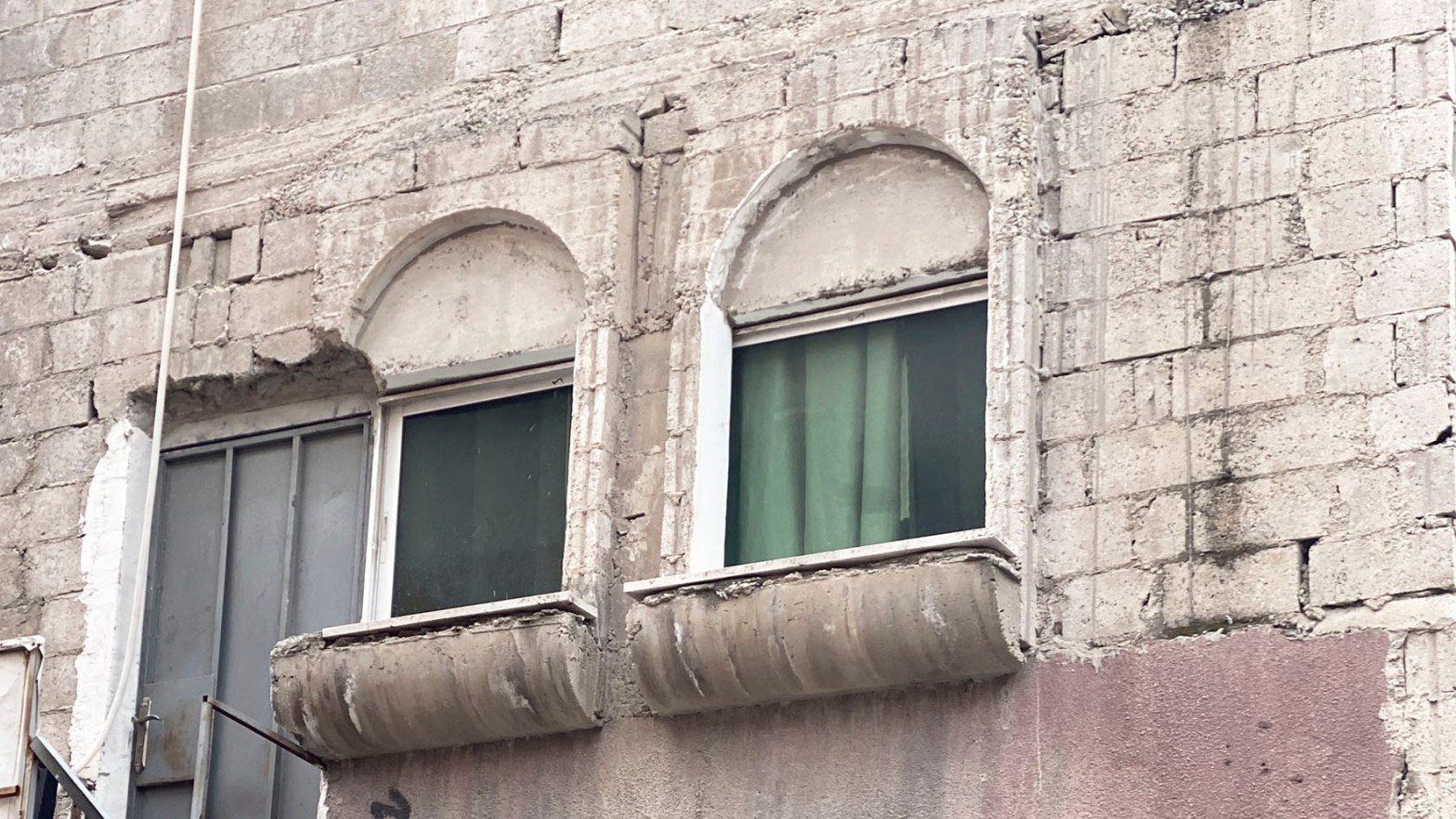
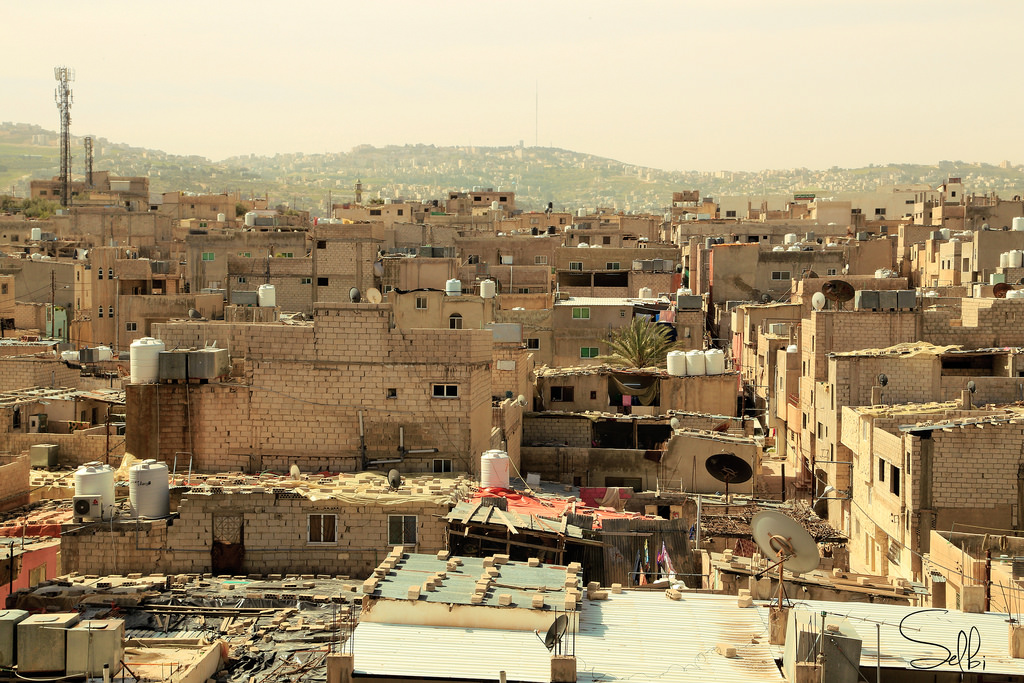
First Fieldwork
January 2022
Main goals/point of discussion
01
Meeting the Governmental sector that is responsible to Al Baqa’ camp
02
Investigating the challenges and opportunities in Al Baqa’ Camp
03
Finding the root causes of challenges by interviewing informally the responsible sector inside the camp
04
xploring the current situation and timeline of water and sanitation situation in the camp since 1967 till now
Participants
Dr. Rania Aburamadan
Applied Sciences Private University

Dr. Claudia Trillo
Bradford University

Eng. Qasem Al-Betar
SurveyTEQ
Dr. Athena Moustaka
University of Salford

Eng. Amer Al-Mukahal
Al Baqa’a Local Office
Agenda
Arriving to the Al Baqa’ Office
Project Introduction
Meeting the office manger of Al Baqa’ office
- Discussion with members about challenges and opportunities.
- Interviewing the responsible members in Al Baqa’ camp
- Interviewing member from Al Baqa’ office.
Discussion about conducting the spot of CIM project
- Visiting the most hot spots in Al Baqa’ in terms of water and sanitation challenges.
- Determining the Al Qouds Street to study
- Visiting the site with member from Al Baqa’ office
Introducing the project to local people on the targeted street
Questioning the local community on the selected street
Outputs
- Obtaining firsthand knowledge of the local community: By visiting the fieldwork location, the project team gains direct exposure to the community’s living conditions, challenges, and opportunities. This provides valuable insights and a deeper understanding of the community’s needs and aspirations.
- Engagement with the local community: Meeting the local community allows for direct interaction and engagement. It provides an opportunity to establish a rapport, build trust, and foster a collaborative relationship. Through conversations, interviews, and discussions, the project team can gather information, perspectives, and feedback from community members.
- Identification of community challenges and priorities: Interacting with the local community helps identify the specific challenges they face, such as water scarcity, sanitation issues, infrastructure deficiencies, or other pressing concerns. The input received from community members allows for a more accurate assessment of their needs and priorities.
- Collaboration with local governance: Meeting with local governance representatives provides an avenue for collaboration and partnership. Discussions can center around sharing project goals, exploring synergies with existing initiatives or programs, and identifying opportunities for joint efforts in addressing community challenges.
- Data collection and information gathering: During these meetings, the project team can collect valuable data, anecdotes, and firsthand accounts that contribute to a comprehensive understanding of the community’s situation. This data can inform future project planning, decision-making, and the development of appropriate interventions.
- Establishing a network of stakeholders: Engaging with the local community and governance helps establish connections and networks with relevant stakeholders. This network can include community leaders, government officials, local organizations, and other key individuals who can contribute to project implementation and sustainability.
Impacts
- Improved Health and Hygiene
- Sustainable Water Management
- Environmental Impact
- Data-Driven Decision Making
- Community Empowerment and Engagement
Insights
- The insights gained from visiting camps where technology is employed in the sanitation system demonstrate the potential for improved access, efficiency, sustainability, community engagement, and scalability. These insights can guide further advancements and investments in technology for enhancing sanitation systems in camps, ultimately leading to better living conditions and health outcomes for camp residents.
- Technology can facilitate community engagement and empowerment in the management of sanitation systems. Through the use of mobile applications, digital platforms, and community-driven initiatives, residents can actively participate in reporting issues, accessing information, and contributing to the maintenance and improvement of the sanitation infrastructure. This involvement fosters a sense of ownership and empowers the community members to take charge of their own sanitation needs
Supporting Documents
Project founded by the Royal Academy of Engineering

2020-2023
 Applying digital technologies to the Baqa'a Refugee Camp in Jordan