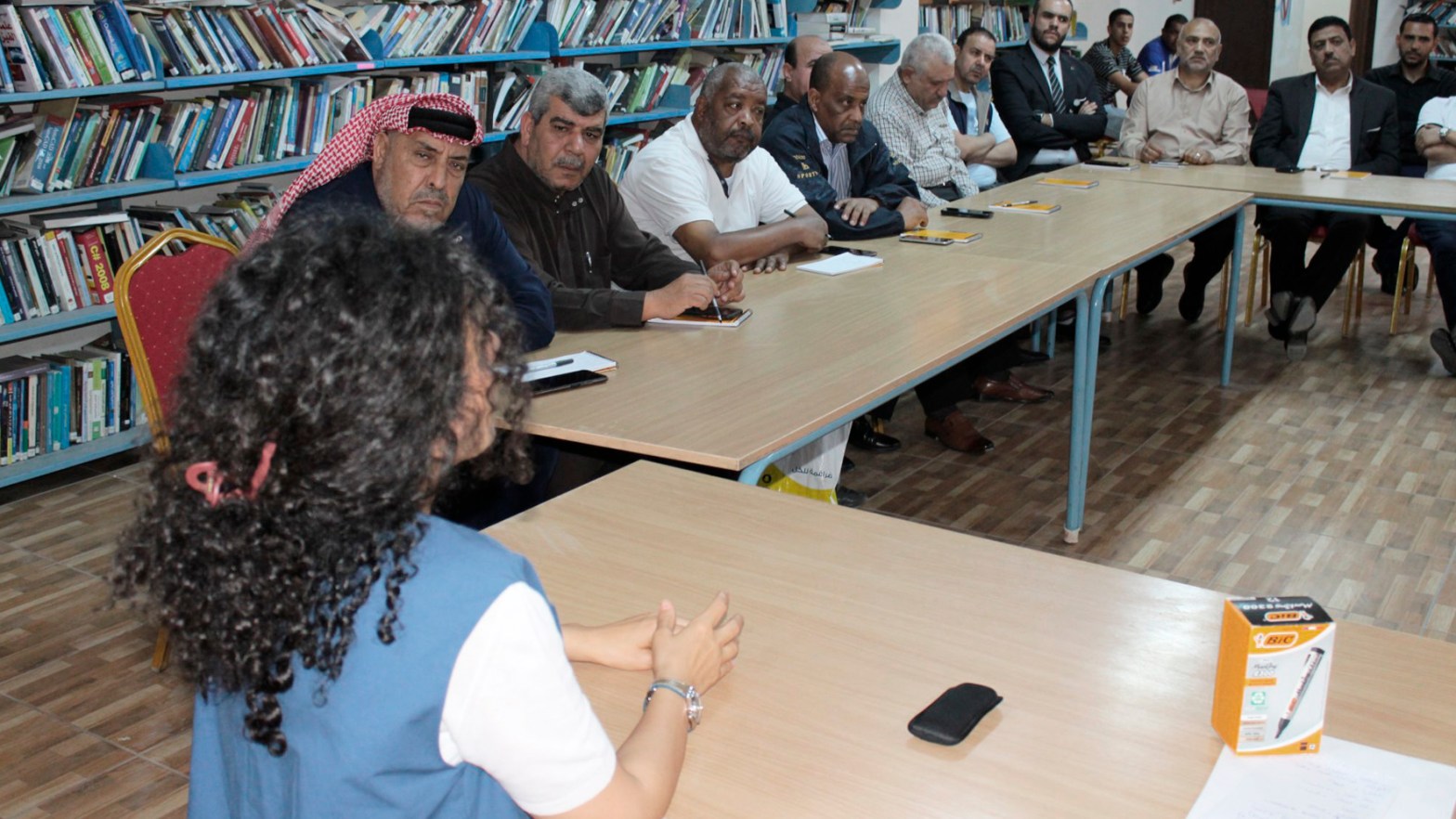
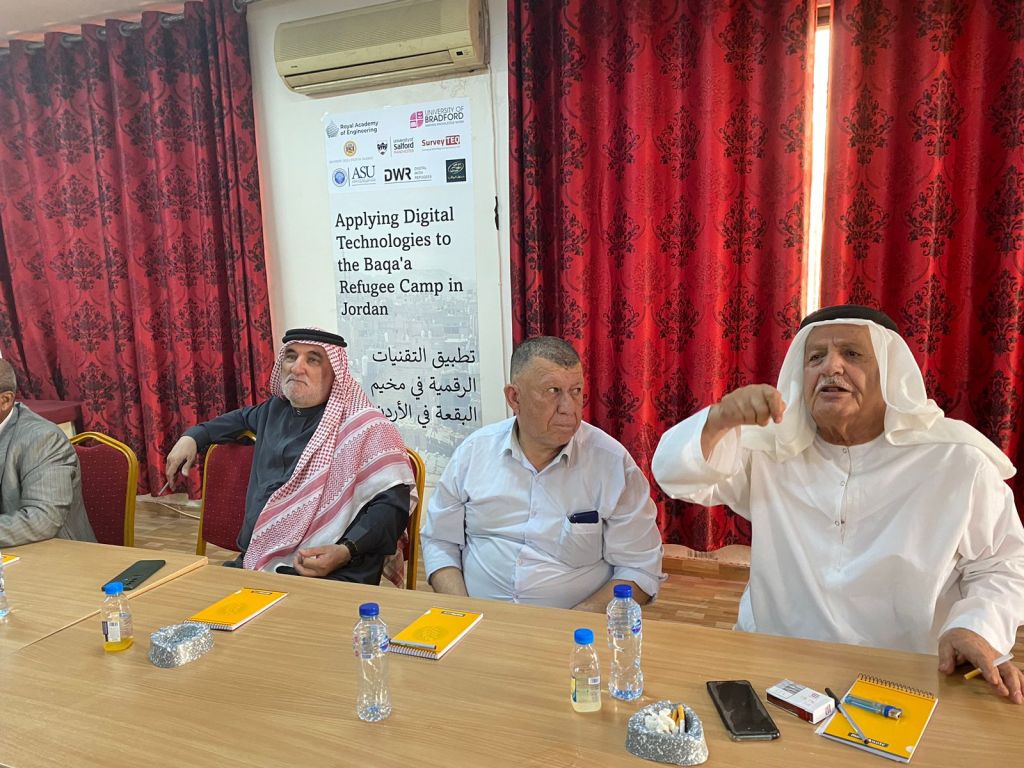
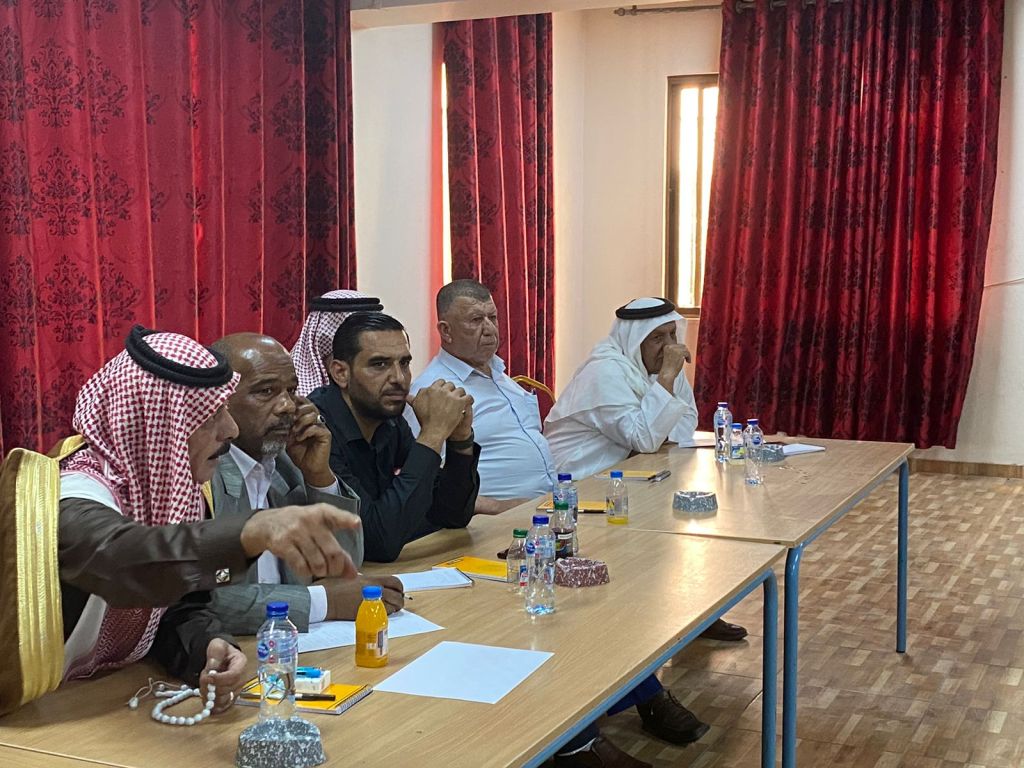
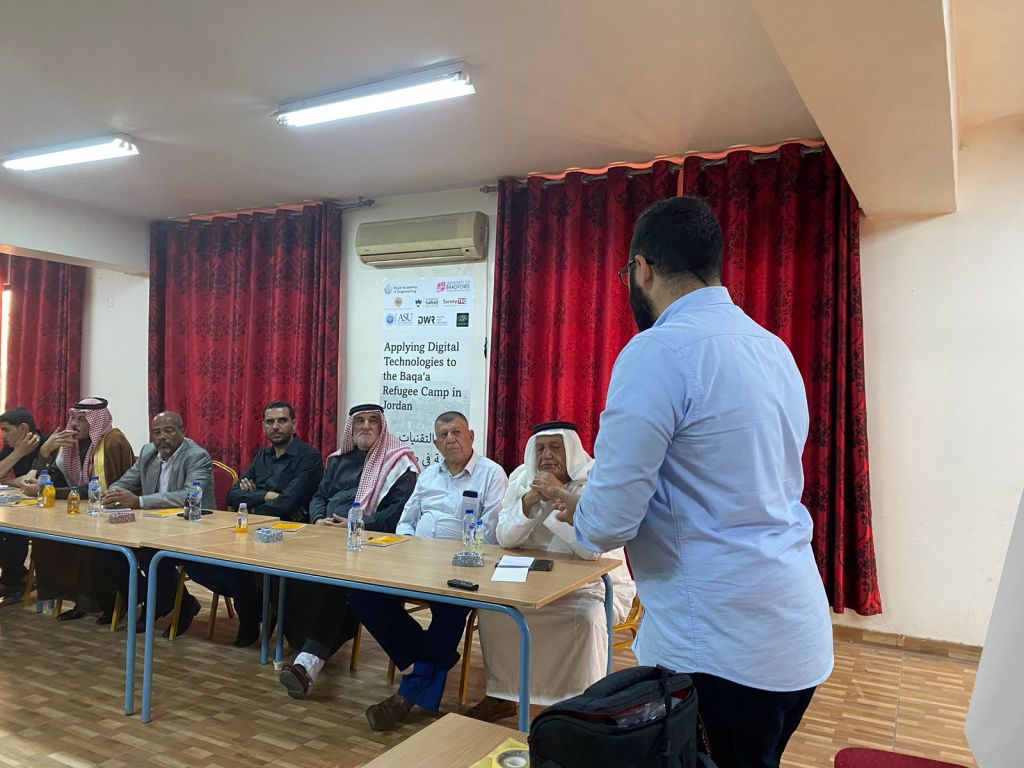
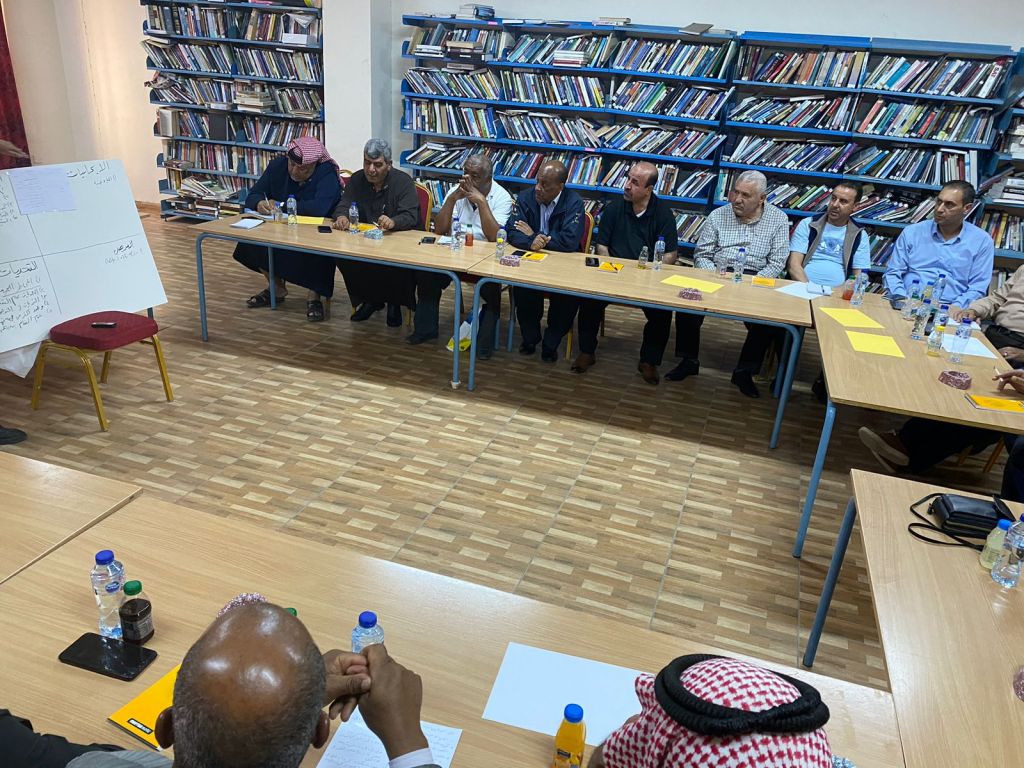
Workshop in Al-Baqa’a
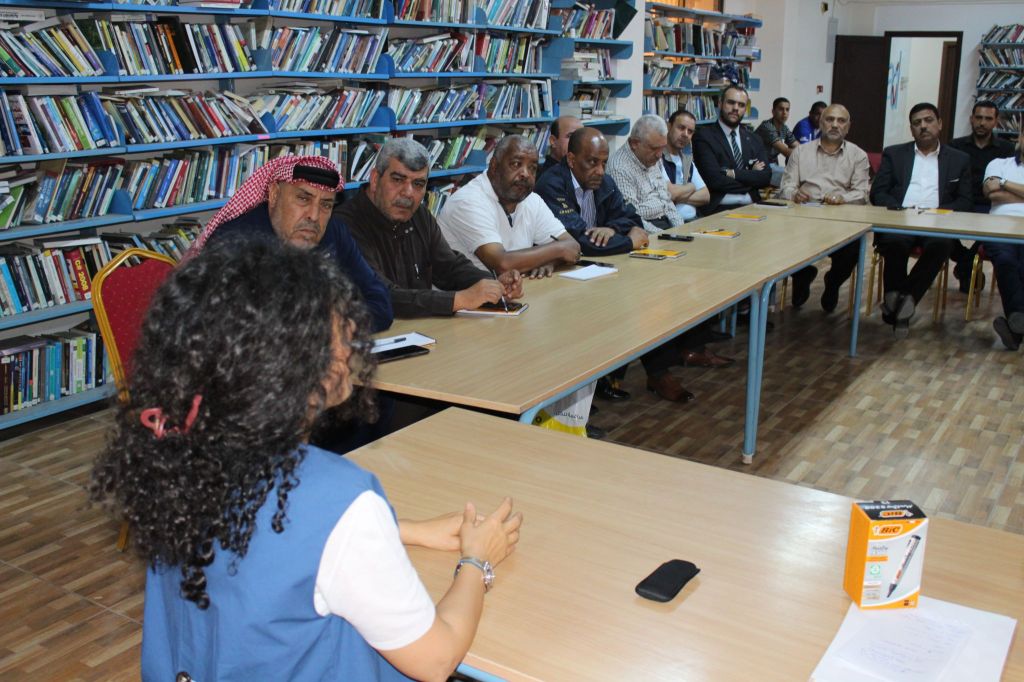
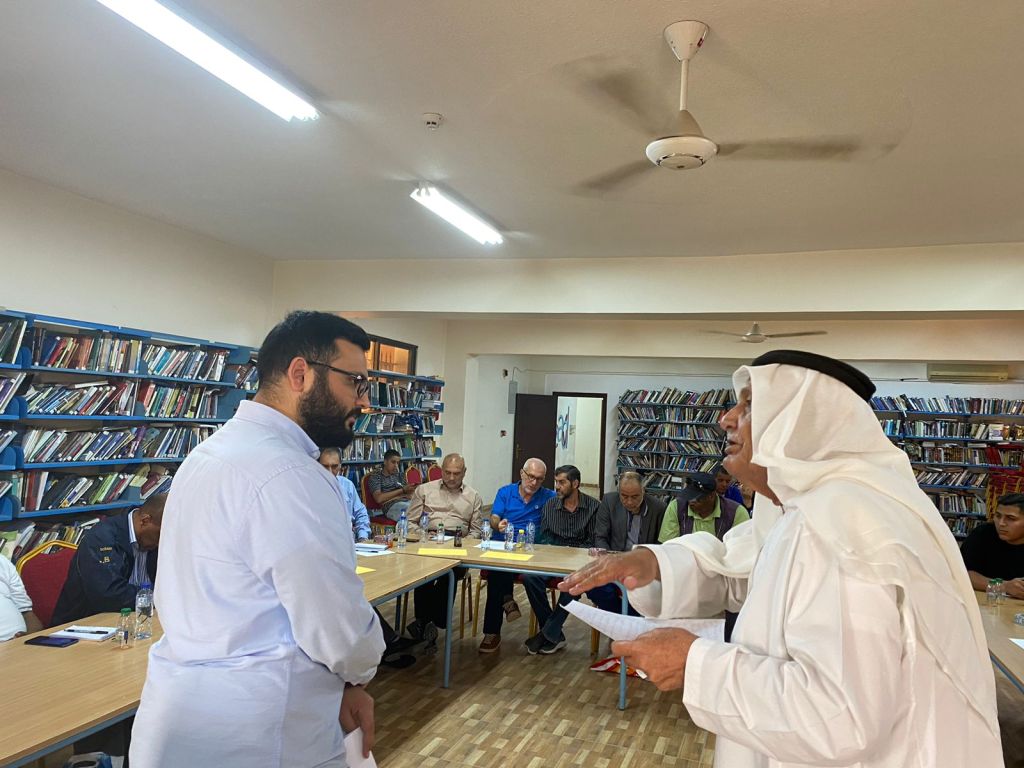
Saturday 3rd June 2023
Main goals/point of discussion
01
Delivering community mapping exercises feeding into the CIM prototype database
02
Ensuring diversity and inclusion in taking feedback from the local community and stakeholders
03
Identifying cooperation and collaboration gaps in managing water and wastewater of the refugee camp context
04
Mapping and SWOT analysis of key issues together with local community representatives
Participants
Dr. Rania Aburamadan
Applied Sciences Private University
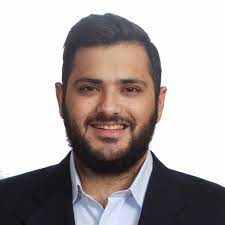
Eng. Qais Hamarneh
Researcher
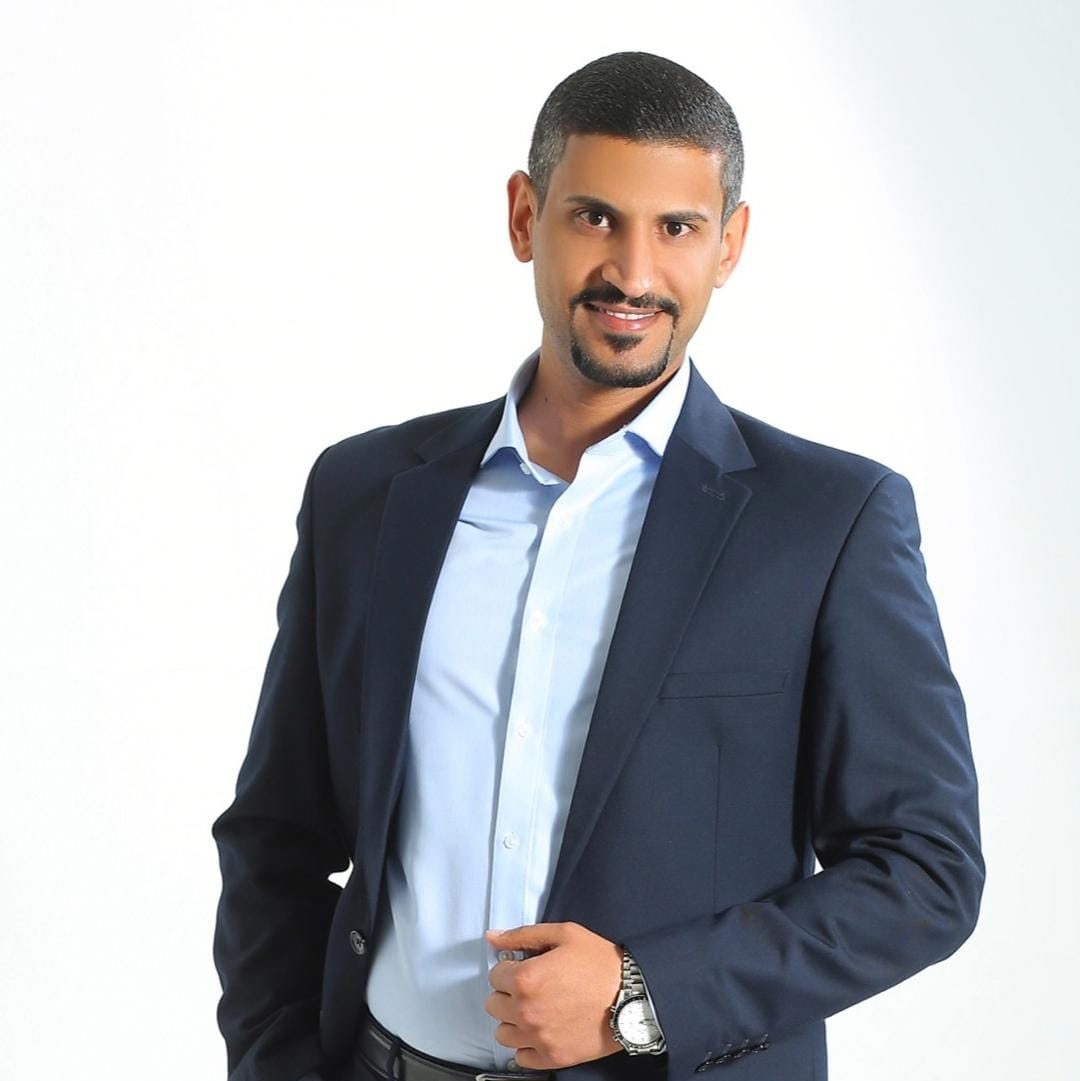
Eng. Amer Al-Mukahal
Al Baqa’a Local Office
Outputs
- Many of the community members seem to agree that management is the core of the issue. Multiple administrative bodies with overlapping responsibilities have made it difficult for the camp residents to identify the responsible body and to get the issues resolved, due to lack of cooperation and communication between these organizations
- The camp management in general falls under the jurisdiction of the UNRWA. The service committee is responsible for maintenance and services within the camp but is under the authority of the UNRWA on the larger scale. As far as water and sewage services they fall under the responsibilities of the water authority previously, which has now been privatized into the company “Miyahuna”. The privatization of the water company has been perceived by some to further complicate the maintenance issue as they see they are less likely to reply to complaints.
- Over time and due to the lack of funding, UNRWA has been reducing its role in the camp and has reduced its faculty to a great degree. Leading to a lower involvement with the camp and being less responsive to the local community’s issues.
- The residents expressed a lack of communication between them and both the service committee and UNRWA. As they feel that their concerns are not properly heard and that both the administrative bodies often attribute responsibility to the other instead of resolving their complaints.
Impacts
- Communal responsibility in dealing with water issues
- Connecting the different issues in the camp: water, maintenance, waste management
- Increase public awareness
- Bridging the gap between users and service providers through the app
Insights
- There is an issue of the community creating changes to the sewage on their own. We connect the sewage randomly this causes issues and breaches leading to dirt and debris accumulating leading to overflowing and contamination.
- The lack of space leads to water and sewage pipes being close together, so when we pump the water in the camp it creates a back vacuum which takes the sludge and debris contaminated by the sewage water with it thus contaminating the drinking water.
- There needs to be emphasis on the water authority, so that there is regular maintenance, the service committee, the UNRWA, they all need to be better organized and do their roles properly, this is all we want.
- Additionally there is the UN withdrawing support due to political reasons meaning a reduced amount of sanitation workers leading to the buildup of solid waste and environmental pollution.
Supporting Documents
Project founded by the Royal Academy of Engineering
2020-2023
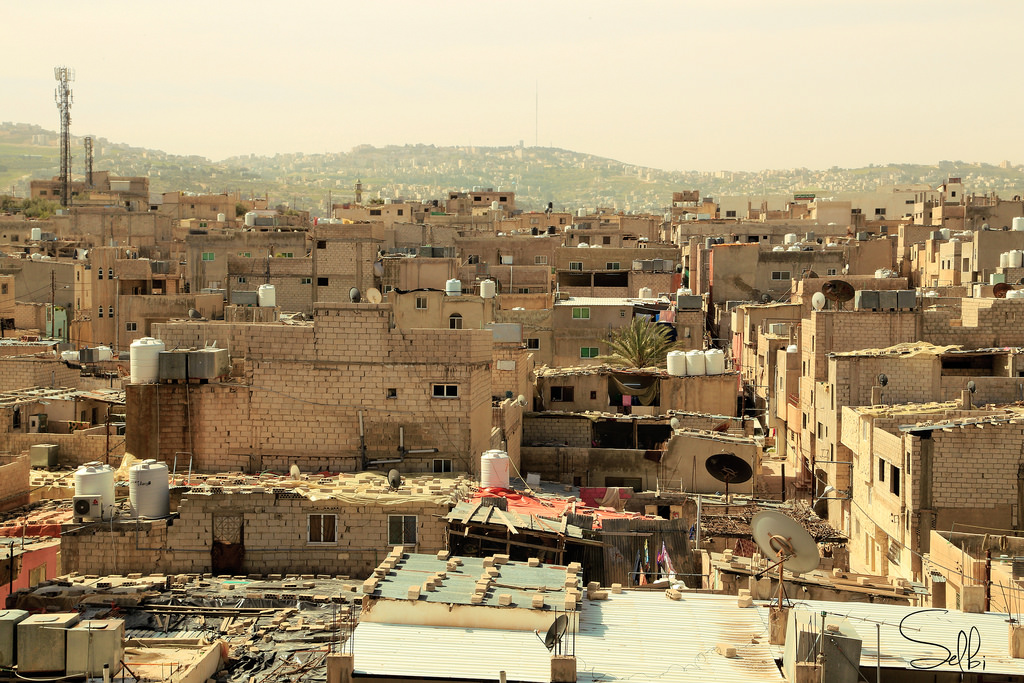
 Applying digital technologies to the Baqa'a Refugee Camp in Jordan