
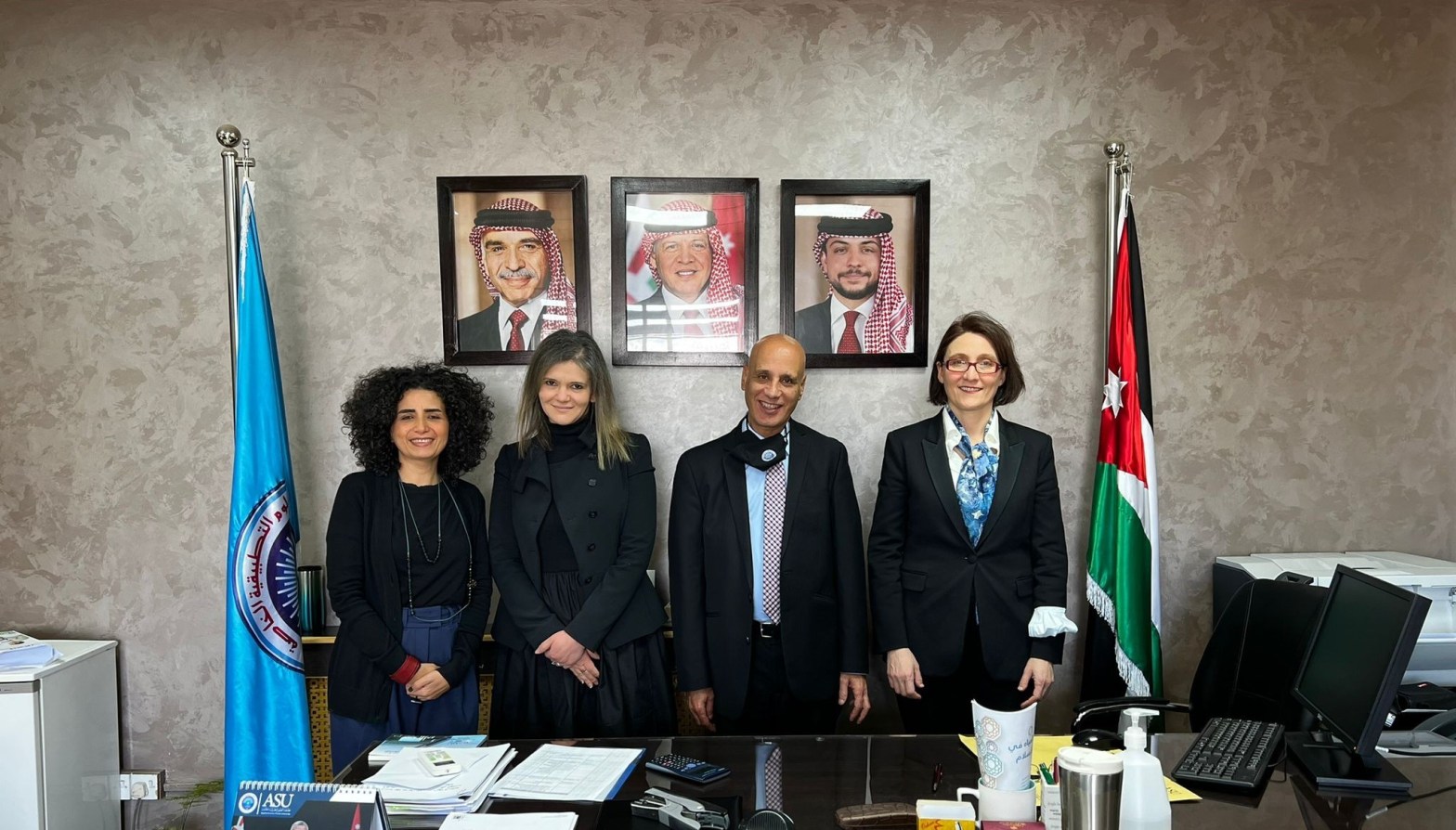
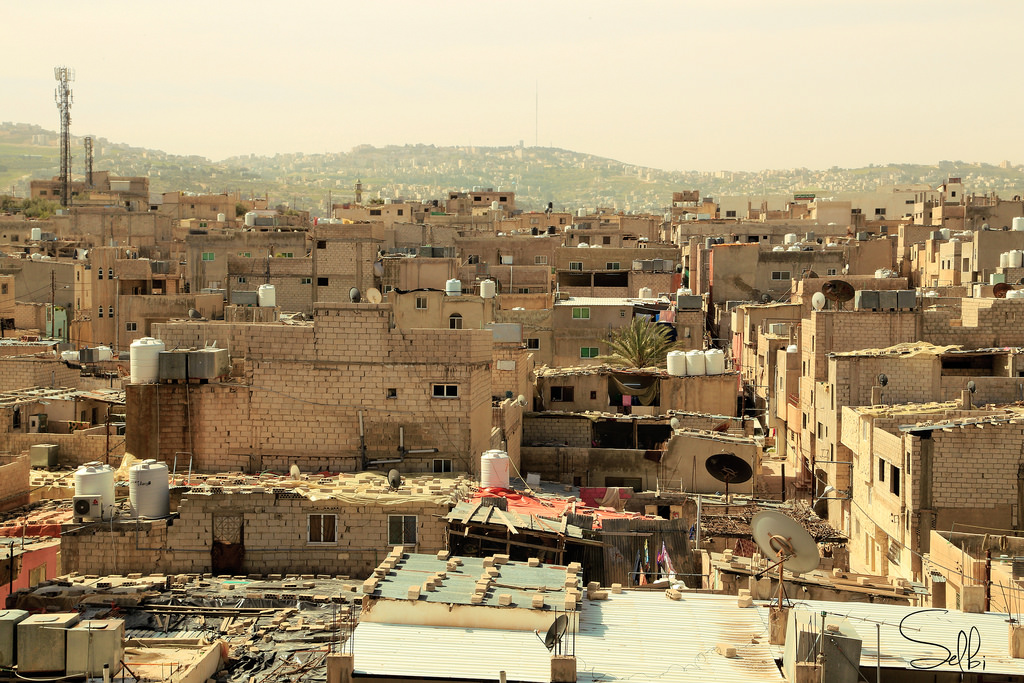
Stakeholder engagement
2020-2023
Main goals/point of discussion
01
Inclusivity and Participation
02
Collaboration and Partnership
03
Needs Assessment and Empowerment
04
Sustainable and Contextual Solutions
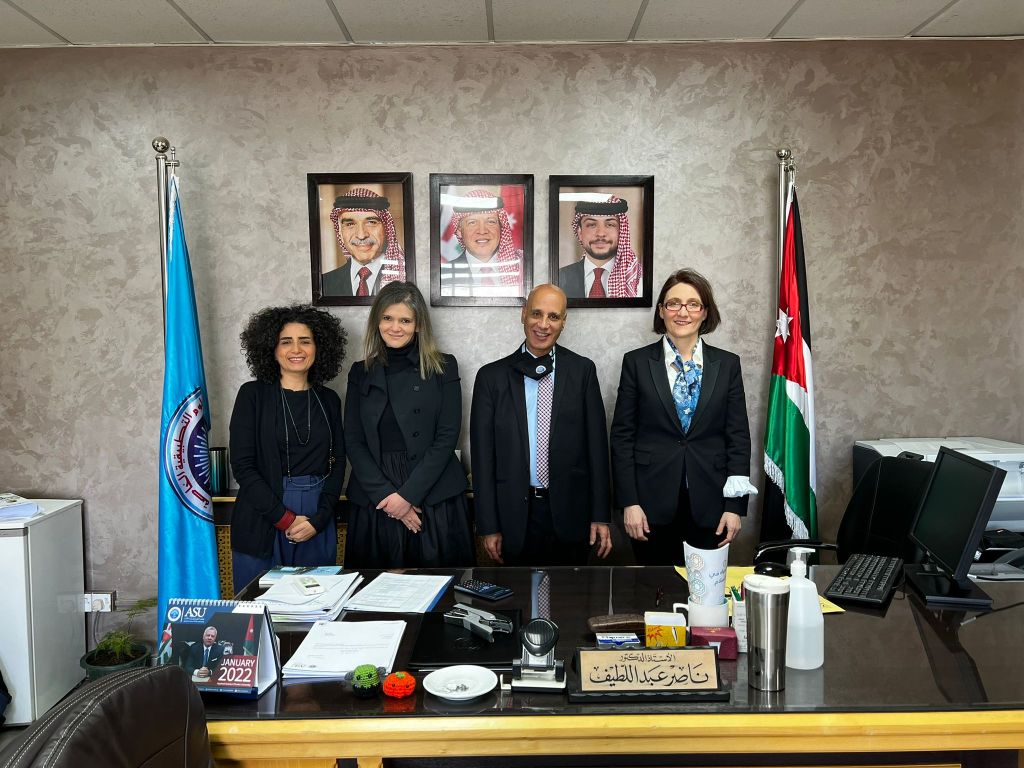
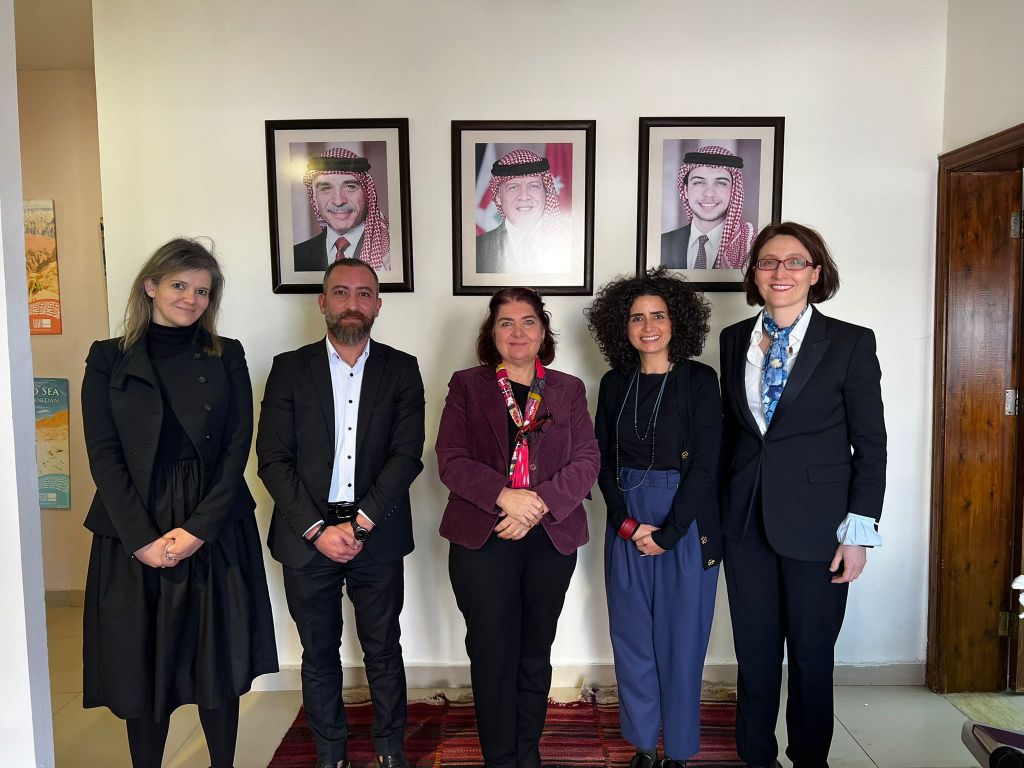
Participants
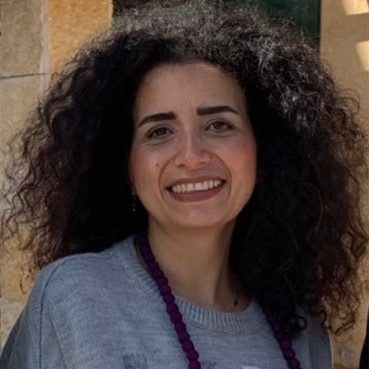
Dr. Rania Aburamadan
Applied Sciences Private University

Dr. Victoria Cotella
University of Naples Federico II

Eng. Qasem Al-Betar
SurveyTEQ

Dr. Claudia Trillo
Bradford University

Dr. Athena Moustaka
University of Salford

Eng. Qais Hamarneh
Researcher
Outputs
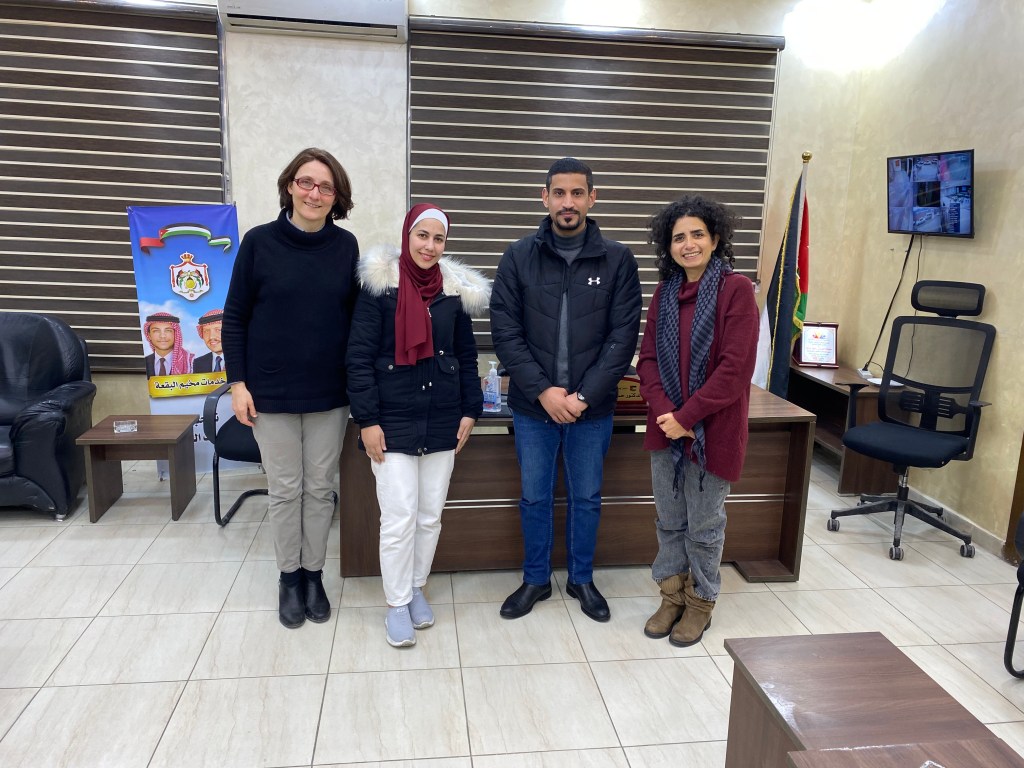
- Community Input and Feedback: Stakeholder engagement allows for the collection of community input and feedback on various aspects of the camp, such as infrastructure, services, and programs. This input helps inform decision-making processes and ensures that the needs and preferences of the community are taken into account.
- Collaborative Planning and Decision Making: by involving key stakeholders, such as community members, local authorities, NGOs, and other organizations, in discussions and decision-making related to the camp’s development, improvements, and initiatives.
- Strengthened Relationships: Engaging stakeholders fosters positive relationships and partnerships among different stakeholders. This collaboration builds trust, enhances cooperation, and establishes a foundation for ongoing engagement and future initiatives in the camp.
- Improved Communication: Stakeholder engagement facilitates open and transparent communication channels among stakeholders. It enables the exchange of information, ideas, and feedback, ensuring that all parties are informed and involved in decision-making processes.
Insights
- An important note on the perceptions of people; According to them they fully believe that the problem is not in identifying what their problems are (in terms of water, sanitation, and all aspects of life) as they and their responsible entities know that already. The problem is that they are not seeing any changes in the ground due to corruption, lack of finances, and the fact that they are often overlooked/undermined.
- The local community in Baqa’a are in general hesitant to participate or give information due to their frustration on the reality/existing infrastructure and living conditions, loss of hope that anything might be changed or improved, as well as their lack of trust to the current entities responsible of providing them services. However, when it was explained to them by the project’s volunteers that the survey is for a project being implemented by research entities, universities and a foreign donor entity, their perceptions and attitudes were more positive, and they had much higher willingness to provide information and participate. Nonetheless, they were still hesitant/unwilling to fill the survey using the app itself without any incentives.
Supporting Documents
Project founded by the Royal Academy of Engineering

2020-2023
 Applying digital technologies to the Baqa'a Refugee Camp in Jordan