
Case Study: The Al Baqa’ camp
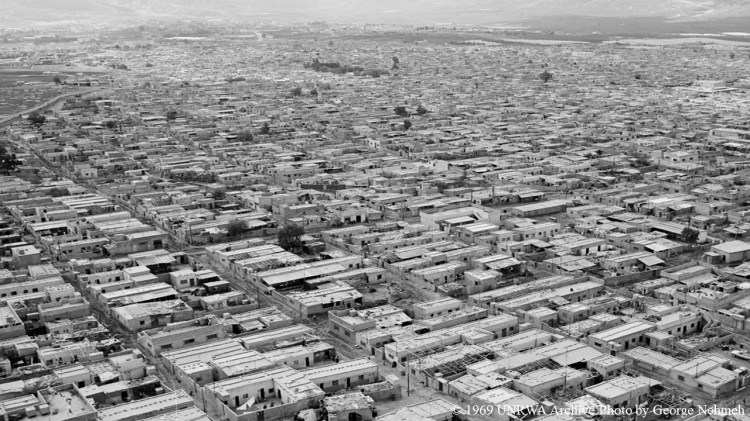
Al Baqa’ is officially the largest Palestinian refugee’s camp since 1967 in Jordan and one of the United Nations Relief and Works Agency’s 10 officially registered refugee camps in the country. The camp lies 20km north of Amman, the Jordanian capital, being consolidated into an informal city and challenged by rapid population increase. This means that the existing infrastructural capacity in the camp, which is limited and in urgent need of repair and often replacement, is being shared and further eroded, which in turn leads to socio-economic tensions within the camp and its community.
The Al Baqa’ camp which became as informal city due to three generations are establishing in the camp due to the political situation of Palestinian conflict with Israel, so the population is increasing quickly, and infrastructure was not built to accommodate more than 120.000 refugees.
In terms of numbers, the camp is densely populated. While in Jordan the density of population is 64 persons in one kilometer square, the density of Al Baqa’ area is around 200.000 persons in one and half kilometer square, thus exacerbating impact on environment and leading to increased pollution, shortage of services, flaws on sewage efficiency and waste management.
Understanding the humanistic needs of refugees
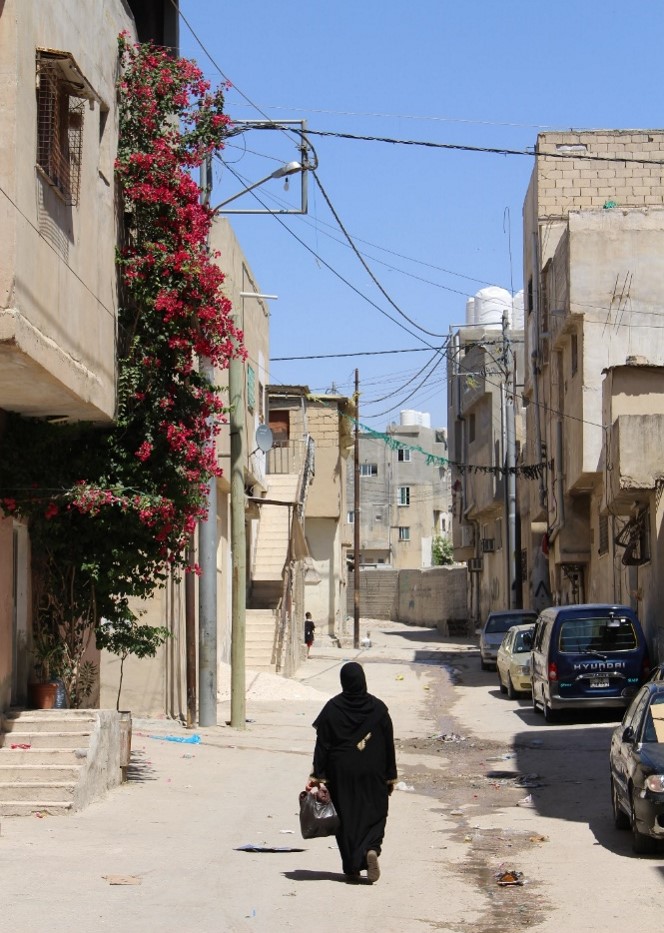
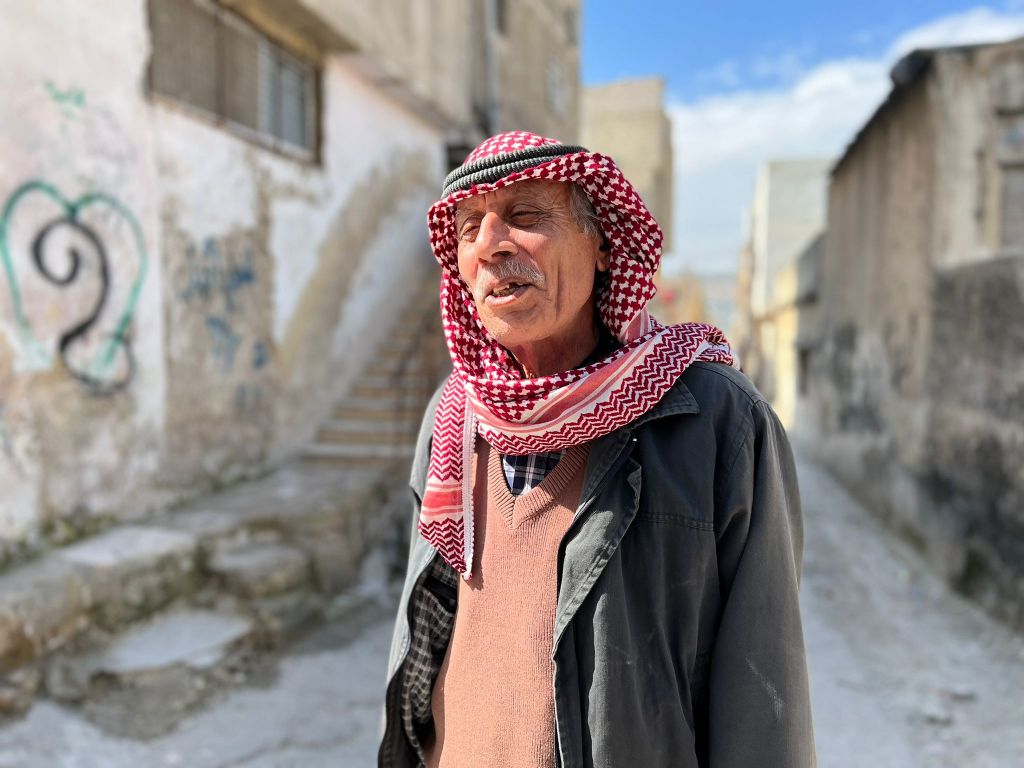
Currently, the Al Baqa area suffers from a shortage of resources, services and a demanding socio-economic impact on the neighbourhood due to the overpopulation that has been informally consolidating in the urban environment by building concrete shelters. This means that the existing infrastructural capacity in the camp, which is limited and in urgent need of repair and often replacement, is being shared and further eroded, which in turn leads to socio-economic tensions within the camp and its community. Interacting with the neighbourhood is crucial to understand in detail their needs and aspirations from a tangible and intangible perspective. Therefore, it is crucial to carry out a careful and sensitive survey work.
Project founded by the Royal Academy of Engineering

2020-2023
 Applying digital technologies to the Baqa'a Refugee Camp in Jordan