
Discovering Al Baqa’a for the first time
Month year
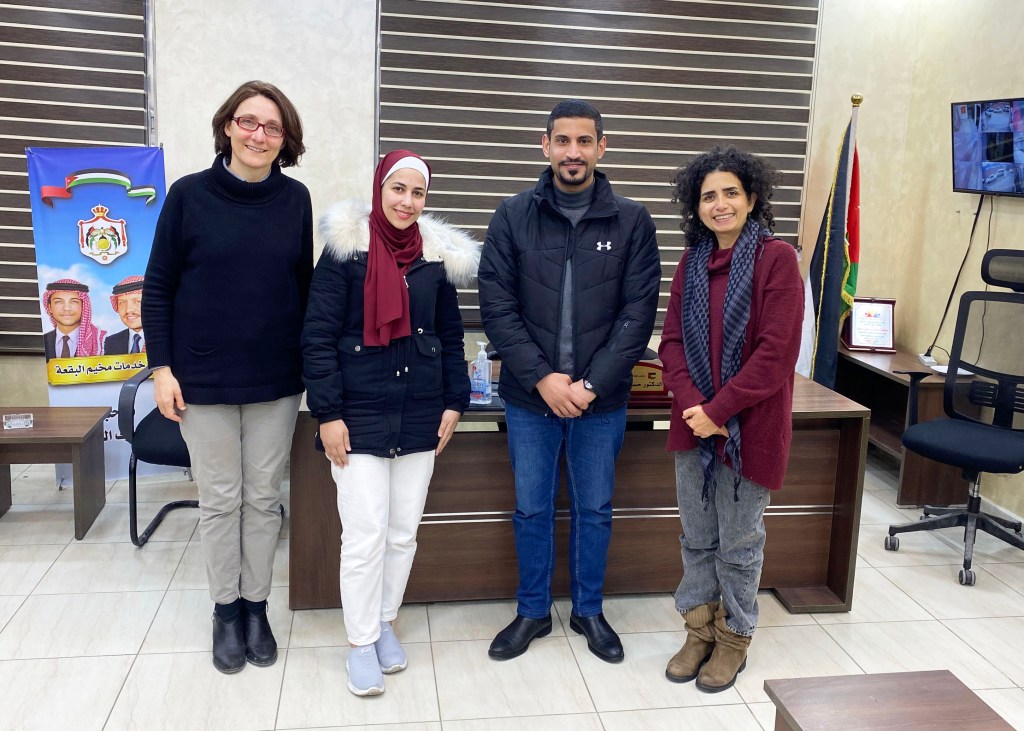
During the initial visit to Al Baqa’, the project team consisting of Dr. Claudia and Dr. Athena from the UK side, and Dr. Rania and Eng Qassem from the Jordan side, had the opportunity to assess the current situation in the camp. This visit spanned three days and included various activities.
The challenges
The team conducted interviews with the director and vice president of Al Baqa’ office to gain insights into the camp’s challenges. Additionally, a focused group discussion took place, leading to several key observations regarding the existing difficulties in Al Baqa’:
- Water Resource Challenges: The availability and accessibility of water resources emerged as a major concern.
- Communication Issues: Effective communication between the responsible parties involved in managing the camp was identified as a significant challenge.
- Distribution of Responsibilities: The allocation and coordination of responsibilities among multiple parties were found to be problematic, potentially impacting the camp’s overall functioning.
- Water Pollution: The inadequate condition of the pipes in Al Baqa’ resulted in water pollution, presenting an urgent issue that needs to be addressed.
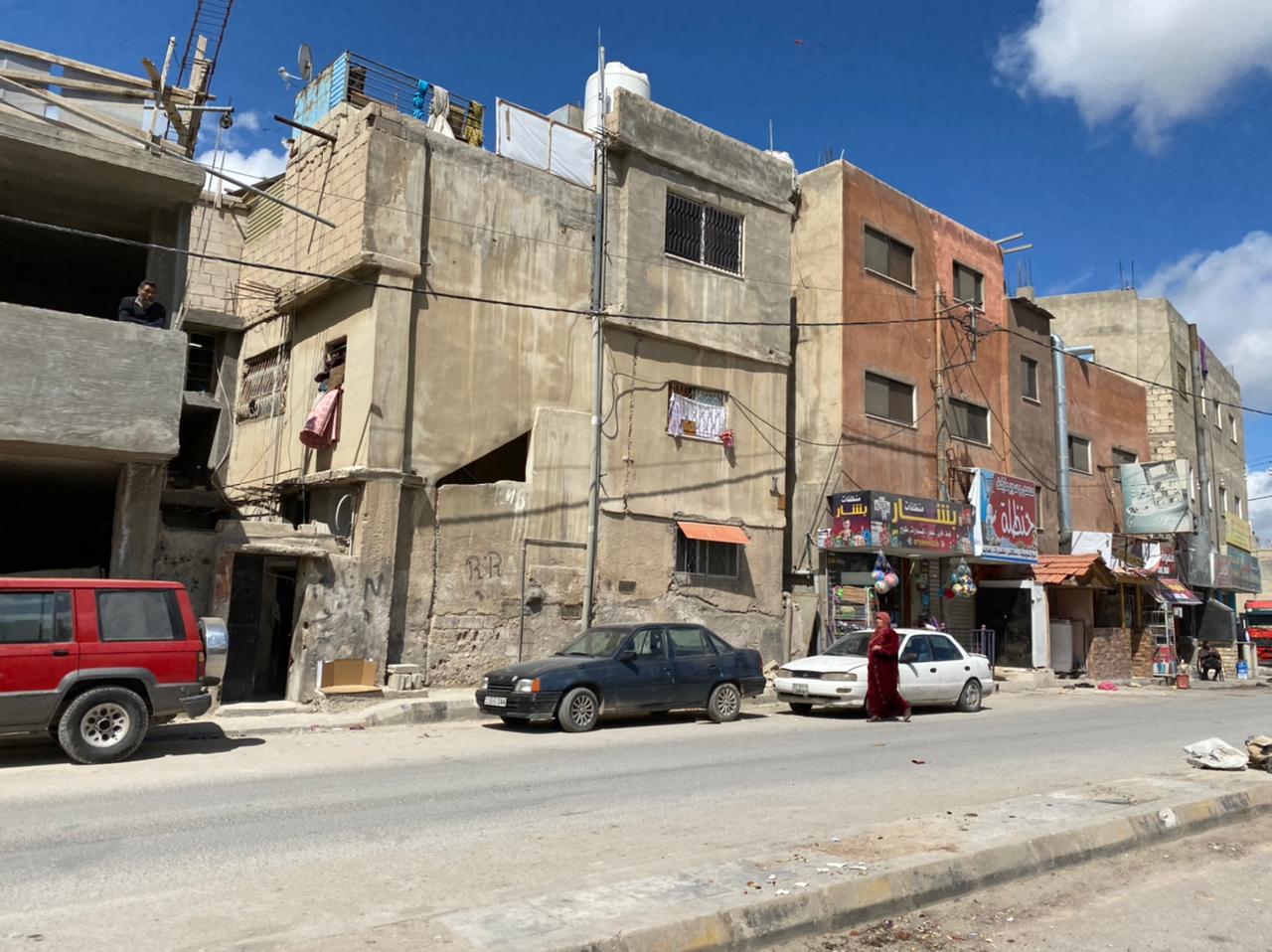
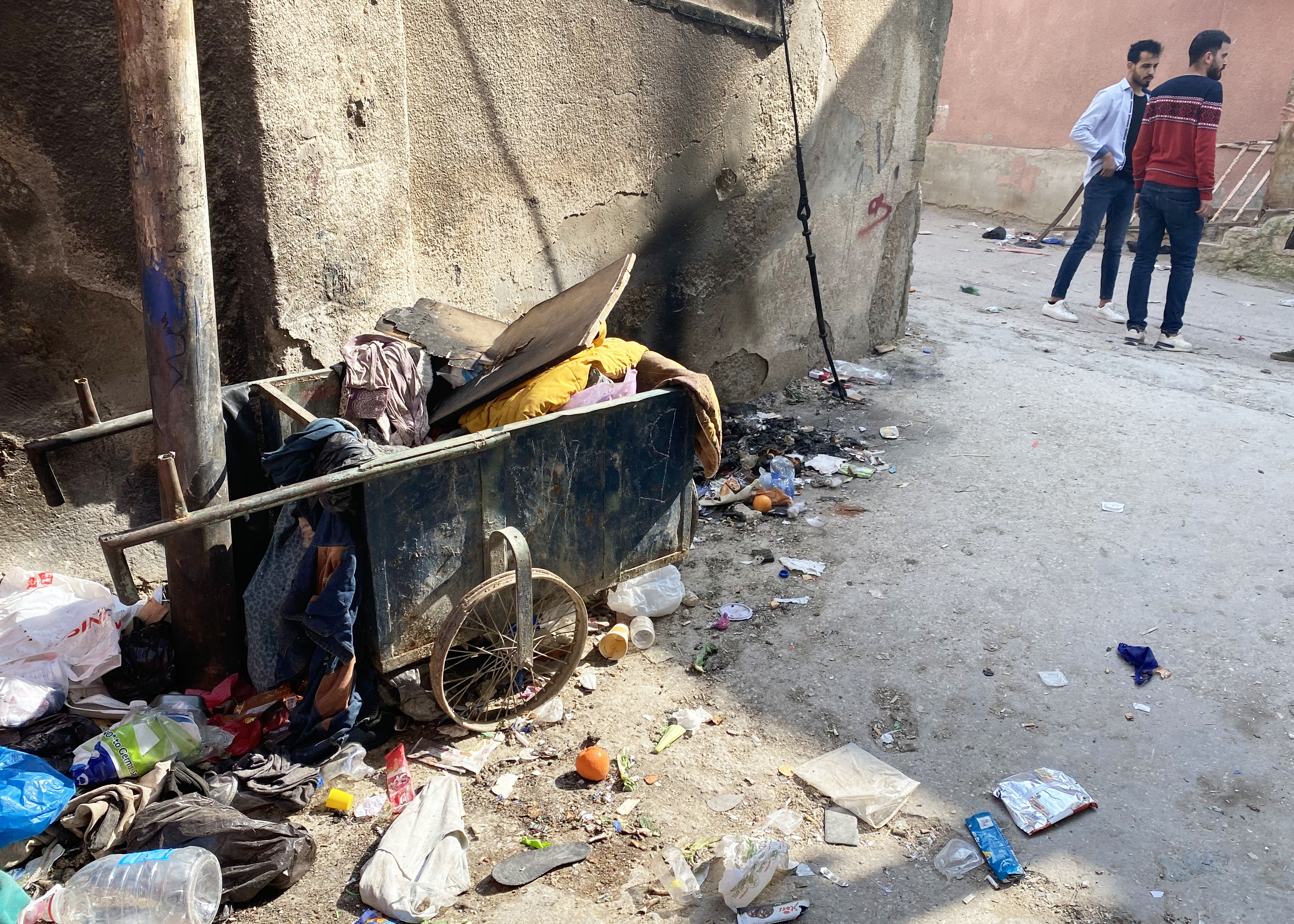
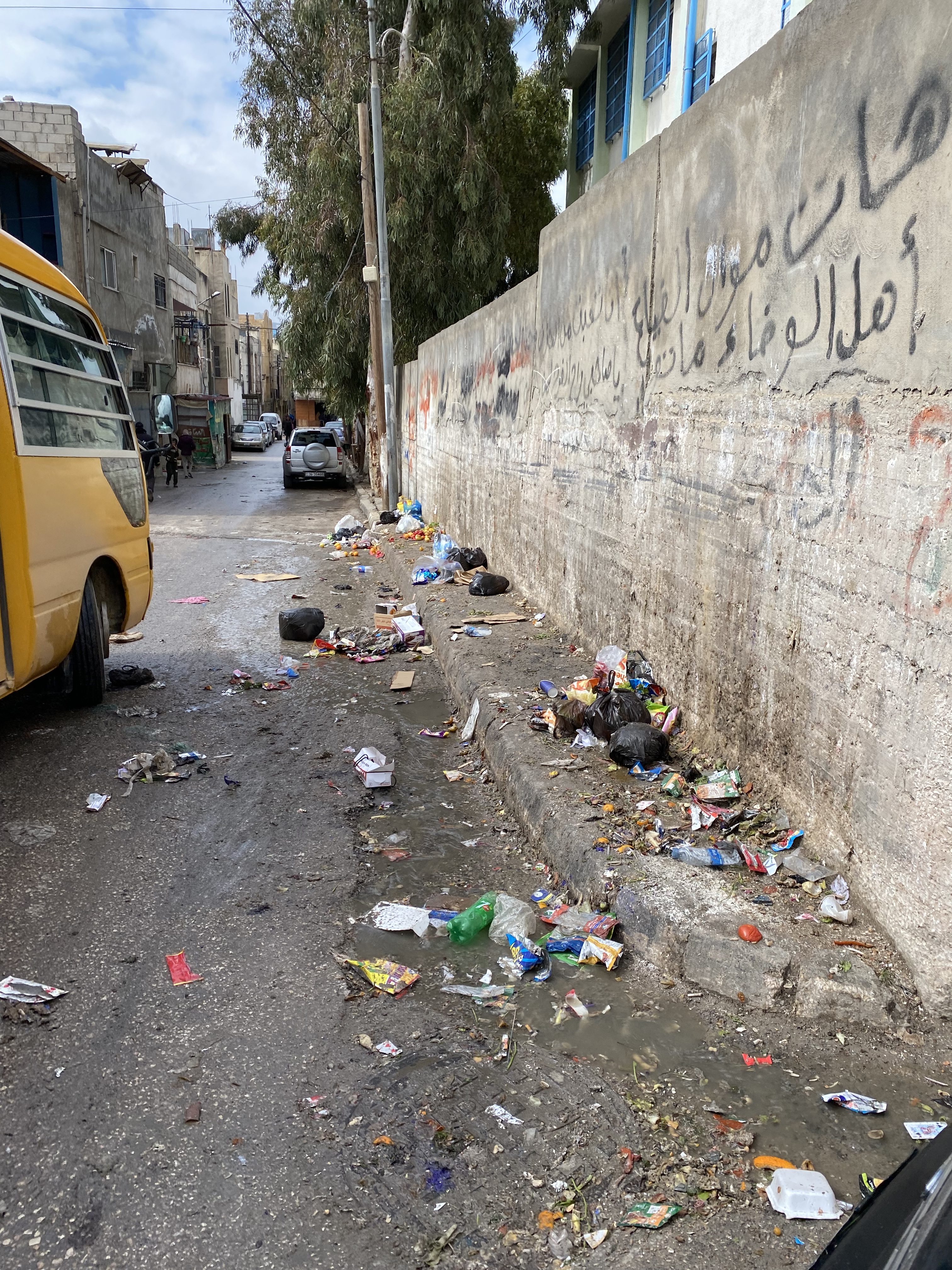
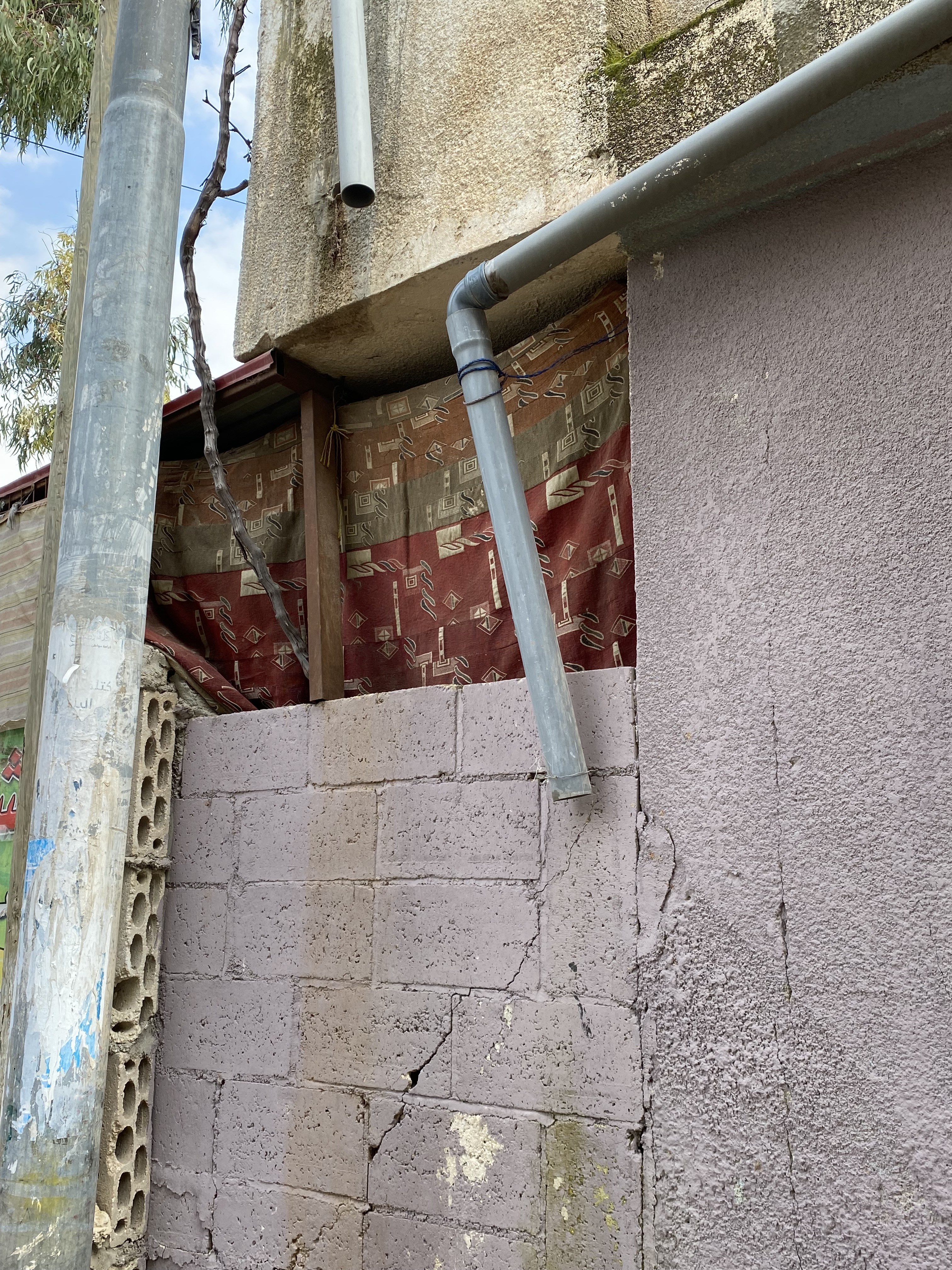
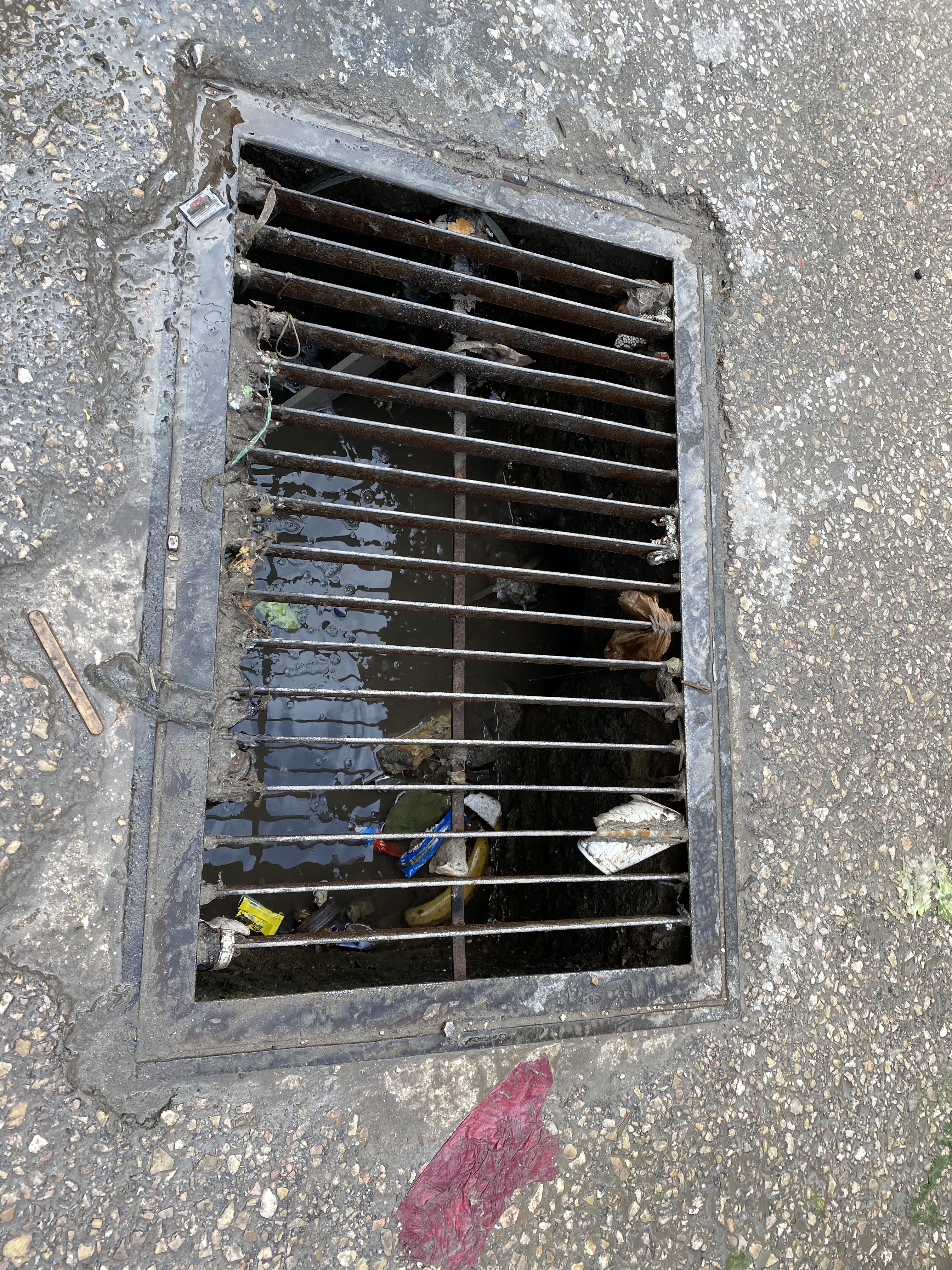
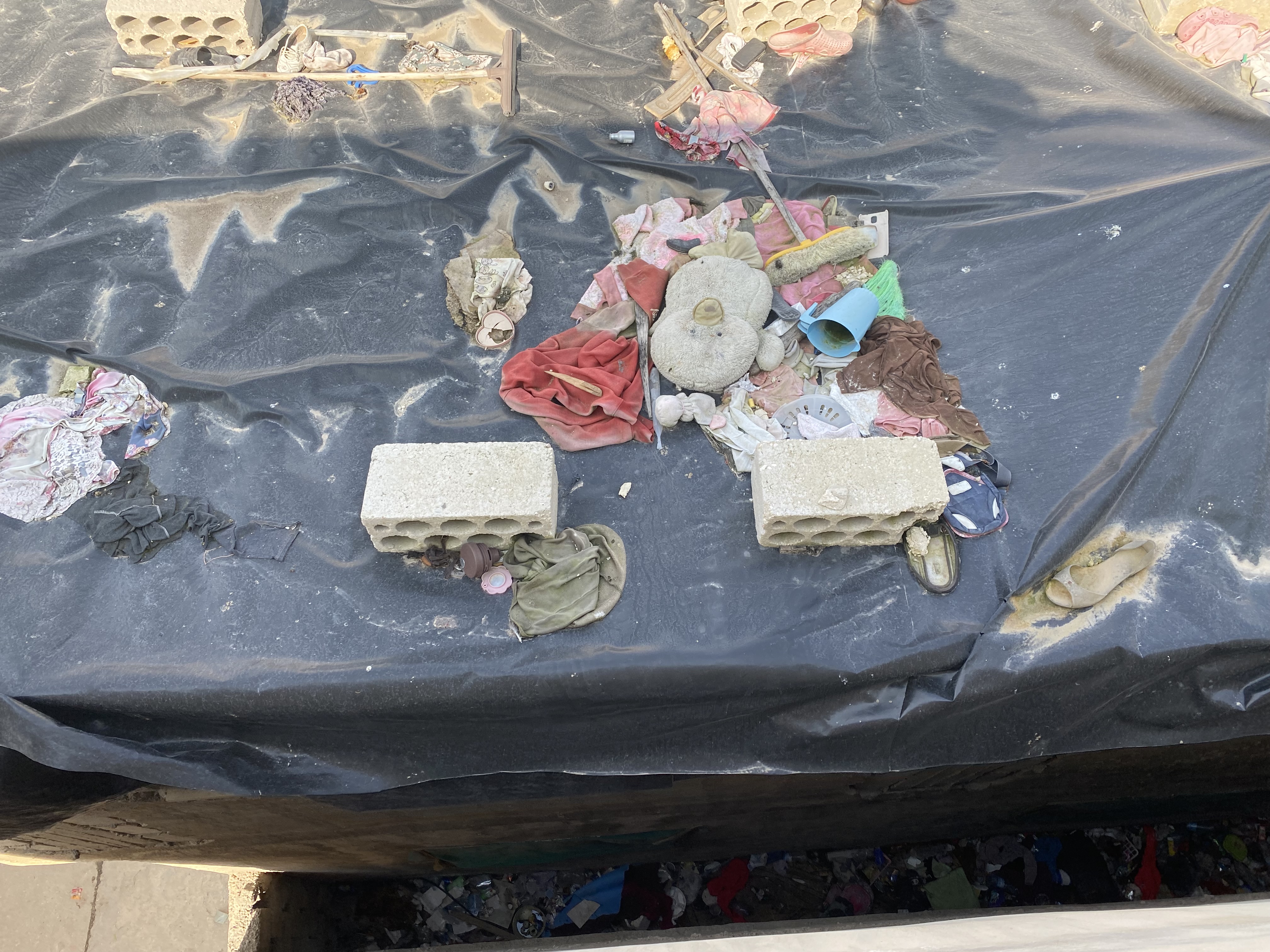
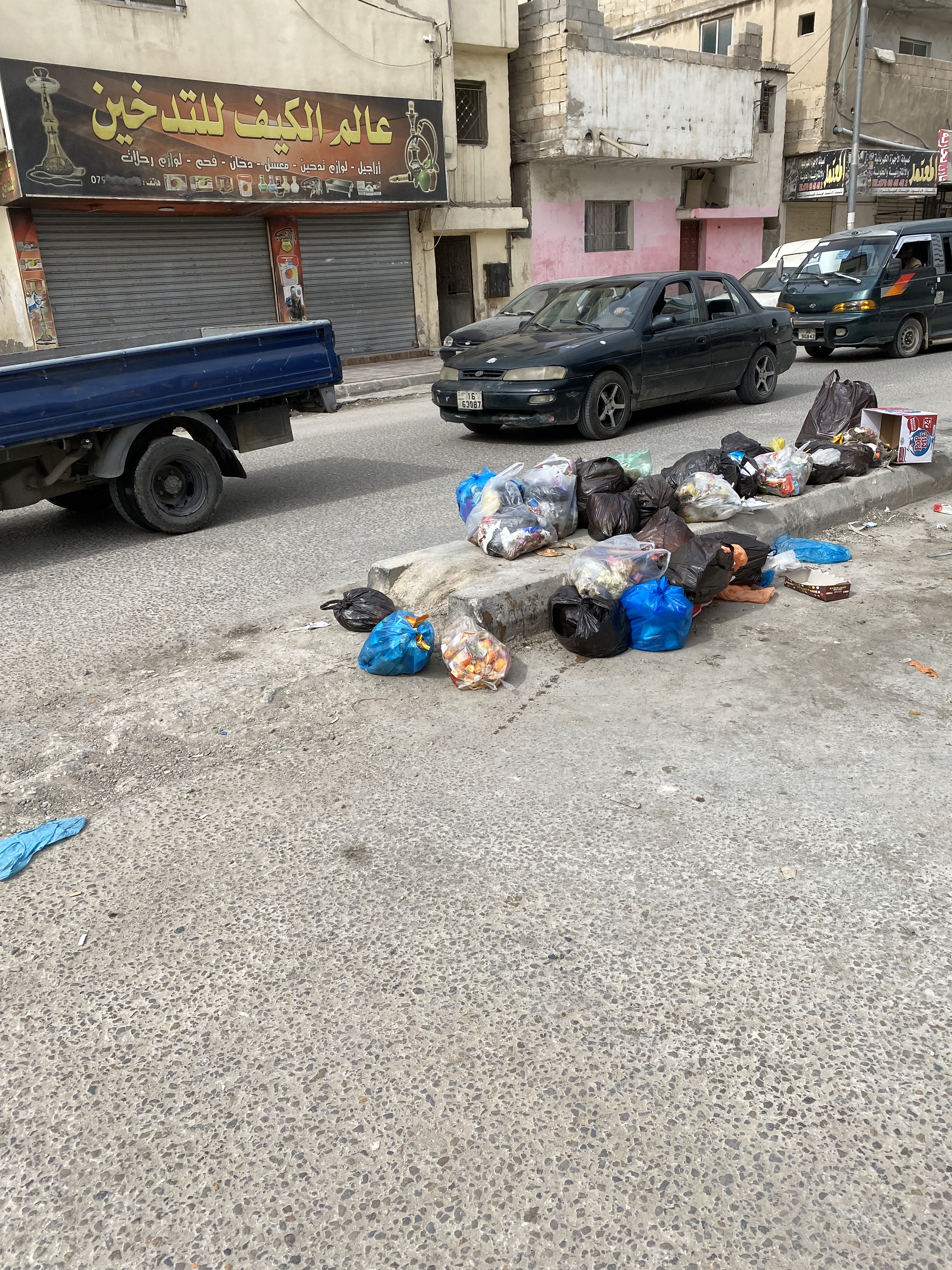
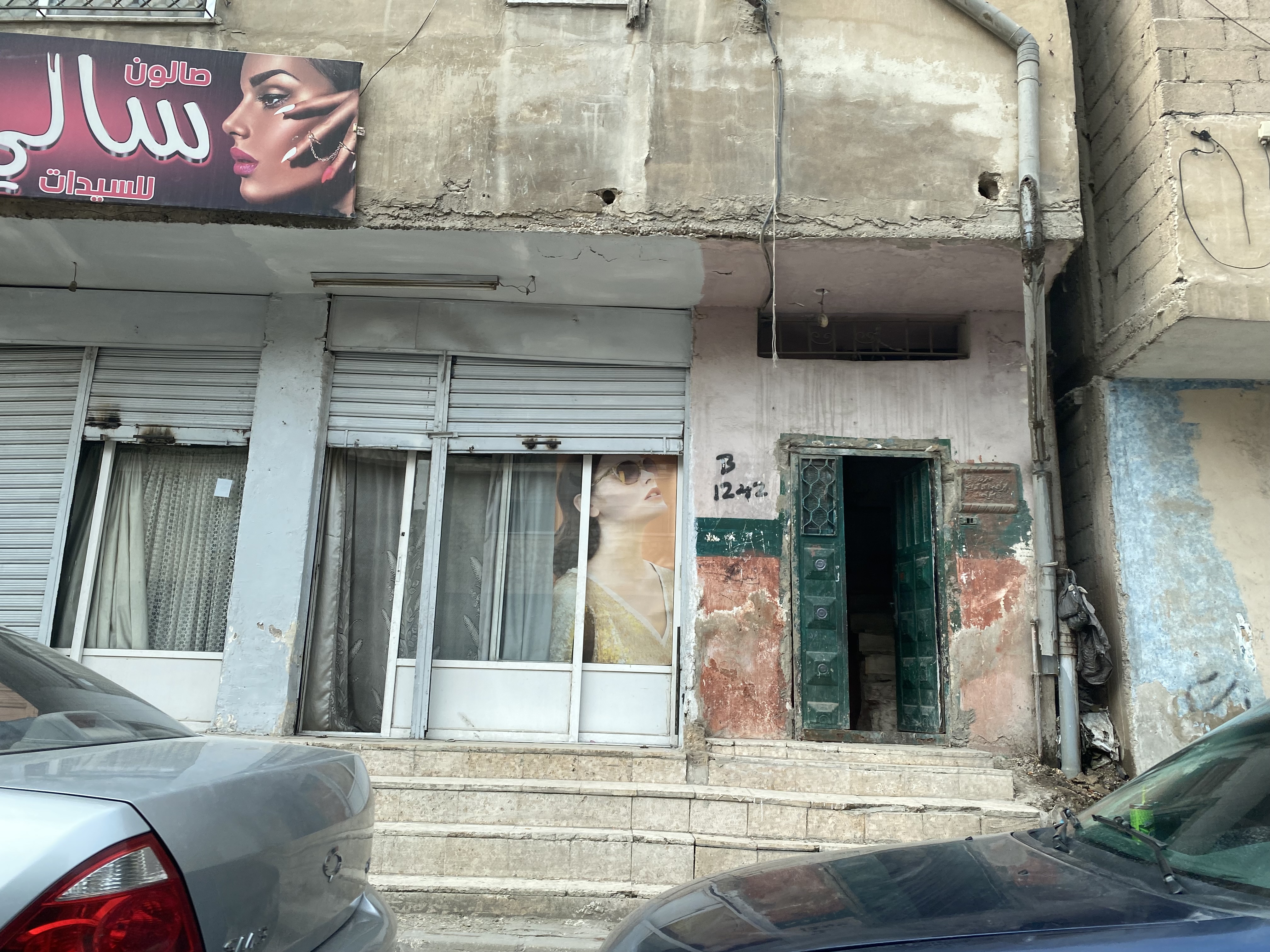
The findings from the virst visit to the camp provide a comprehensive understanding of the challenges facing Al Baqa’. They serve as crucial insights to guide future initiatives and interventions aimed at improving the camp’s situation.
Aproaching with the case study
February 2022
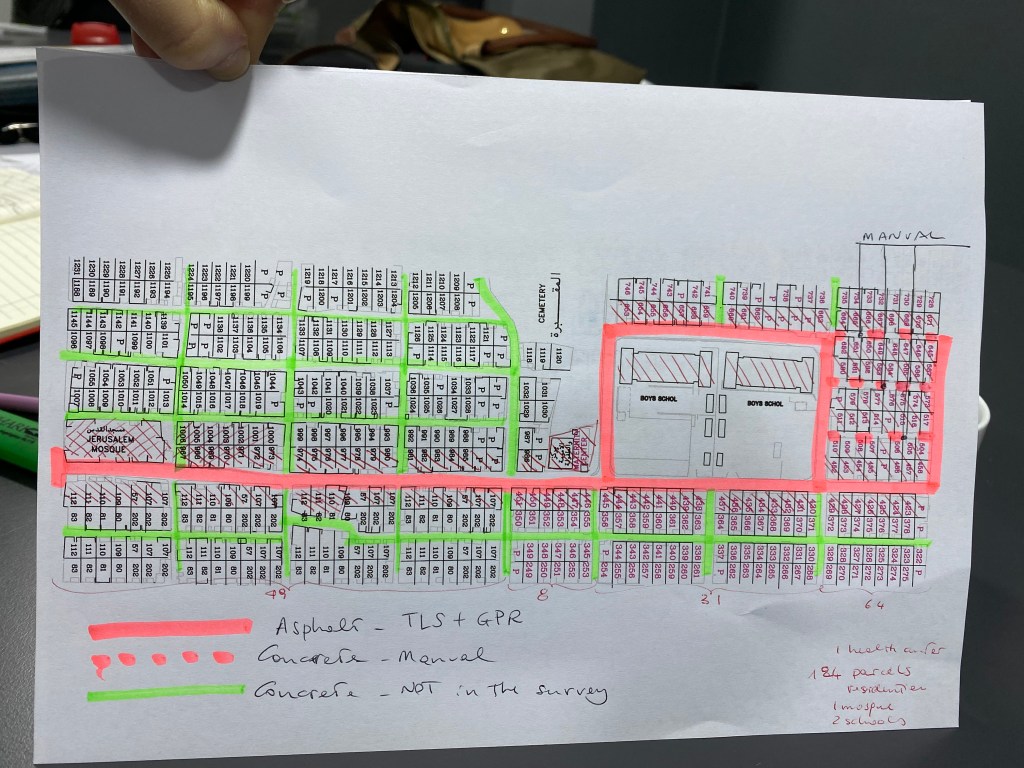
Floor plan of the working area, indicating with colours the different survey techniques to be developed.
Let’s start with site identification
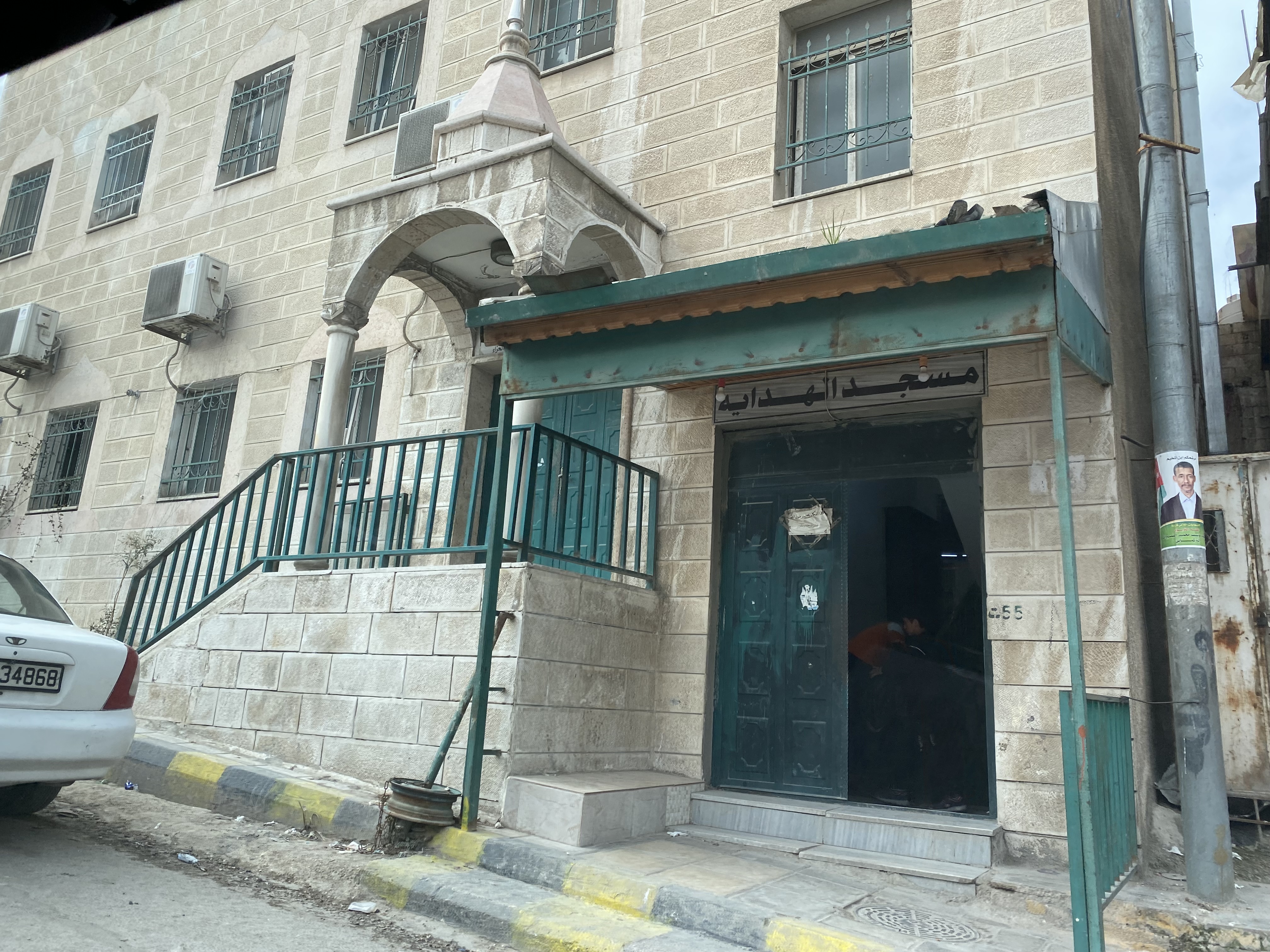
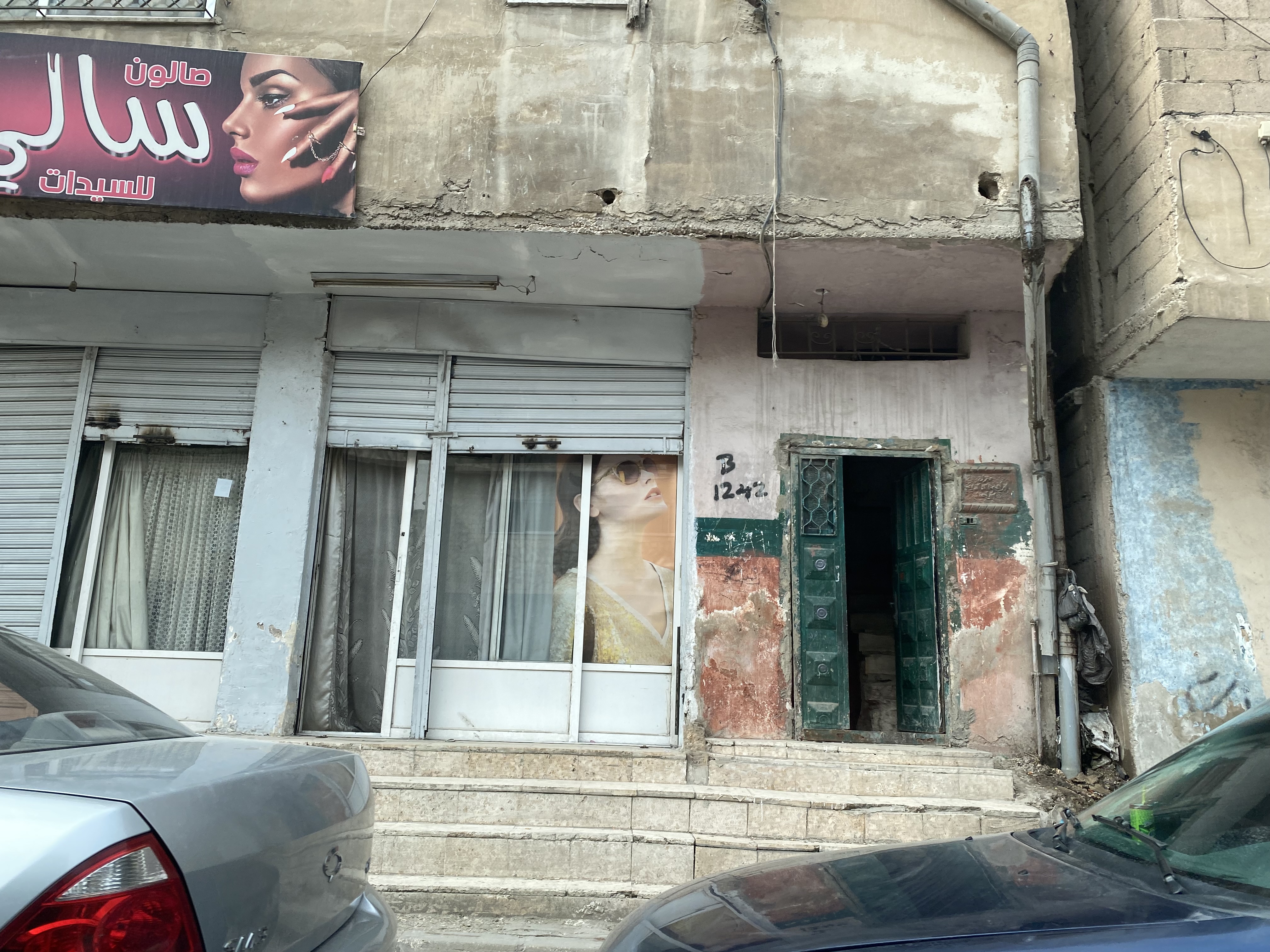
Data acquisition has been developed though four steps: project scoping; underground scanning based on Ground Penetrating Radar GPR; 3D survey and restitution of the pilot area based on Terrestrial Laser Scanning; questionnaires and interviews with residents in the pilot area. A first visual inspection of the site confirmed issues raised by experts in the scoping phase. In addition to the overpopulation and the consequent insufficient sewage system, various factors that have a significant influence on environmental pollution. When heavy rainfall occurs, overflow contaminates potable water with serious consequences on health. Poor waste management adds further pressure on the environment. Large containers are placed between the houses, becoming the main source of environmental pollution. Lack of suitable space for commercial activities adds more pressure on open spaces, increasing the level of waste.
Developing the 3D Digital Survey
February 2022
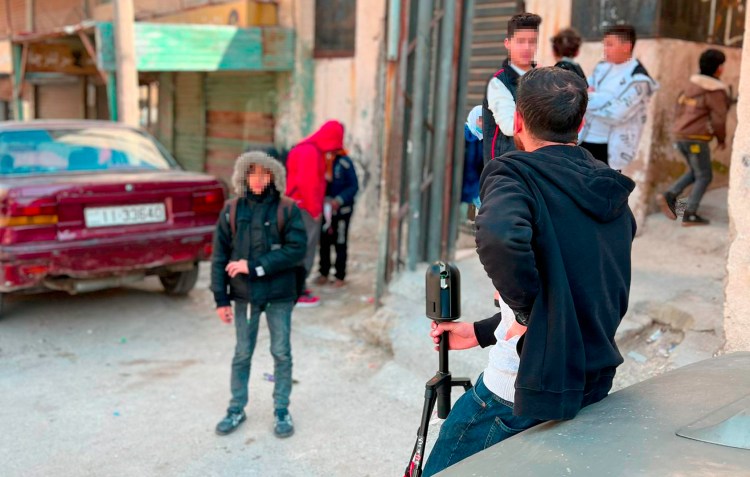
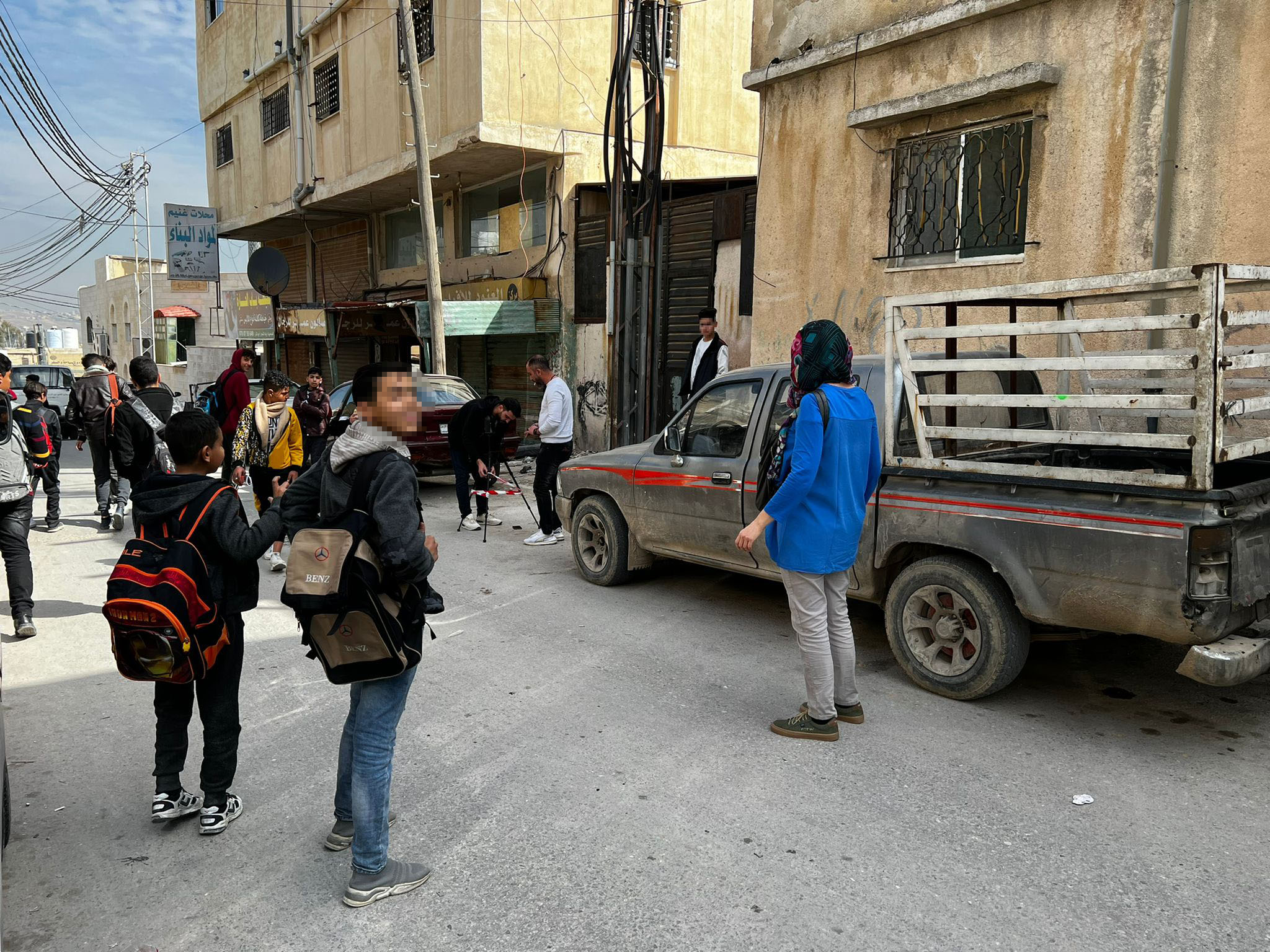
SurveyTEQ performing digital survey with BLK360 laser scanner on the school street.
Applying digital technologies
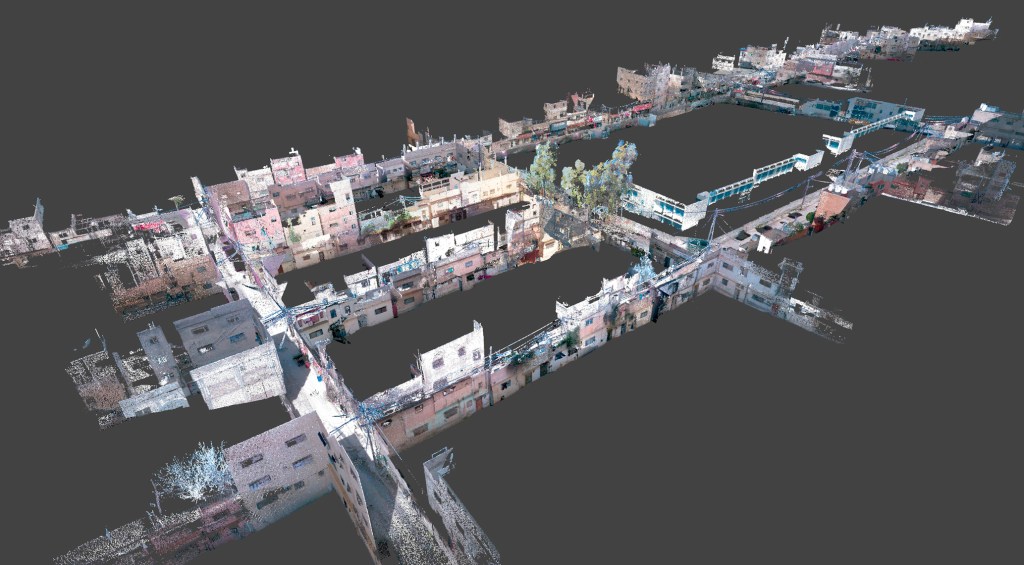
For what concerns the 3D model of the pilot area, an initial hypothesis of using drones was made. However, because of both legal constraints in the use of drones, and of the urban fabric of Baqa’a, which is too dense to allow using aerial scanning technologies for surveying, this was not possible. It was therefore decided to shift towardsthe LiDAR technologies, Terrestrial Laser Scanners (TLS) can have a wide range of applications in the documentation of Cultural Heritage.
The fieldwork was carried out by SurveyTEQ, industrial partner in this research project and expert on data acquisition in Jordan using as instrumentation a Leica BLK360, a TLS by Leica GeoSystems.

Initial problems arise
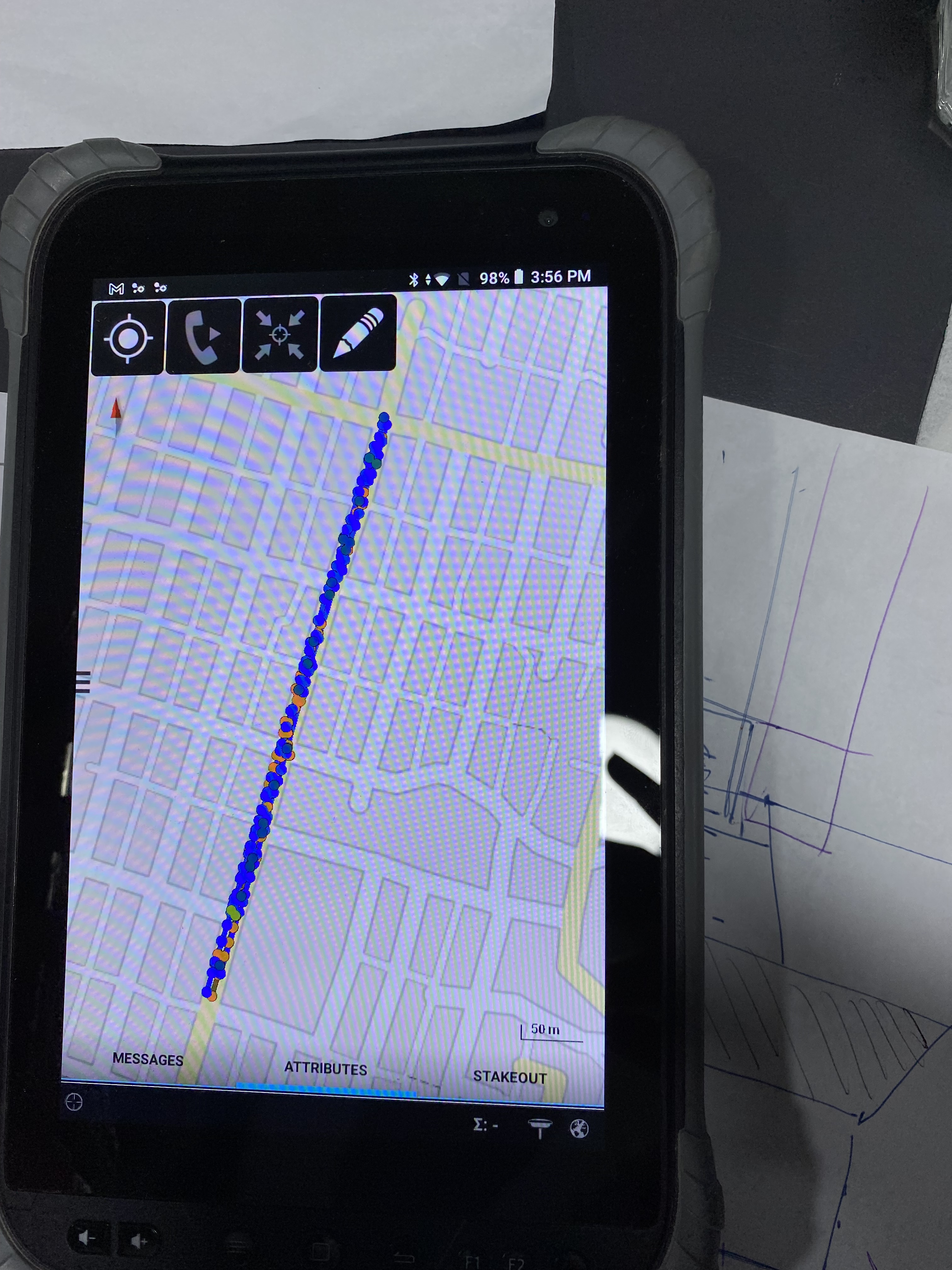
When starting GPR data acquisition there were some issues to be addressed: on streets made of concrete, where the presence of moisture and steel mesh tends to attenuate the radar signal, or where the contrast between layers is minimal (such as between concrete and granular base materials), the data acquisition did not perform successfully. Another influential factor may have been surface roughness, which disperses the incident GPR wave, making it difficult to analyse the received data and difficult to predict the effective propagation waveform.
Second Fieldwork
February 2022

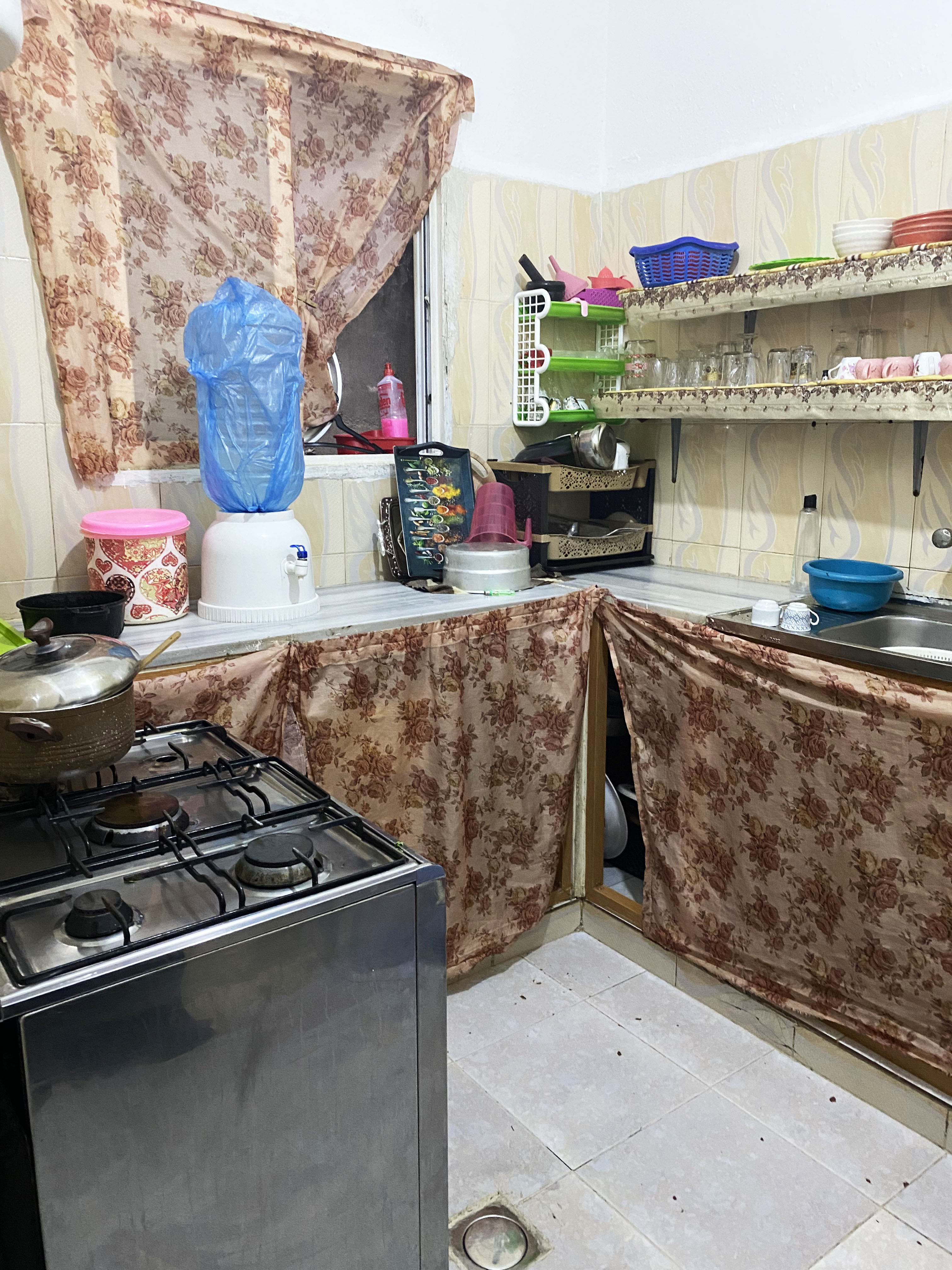
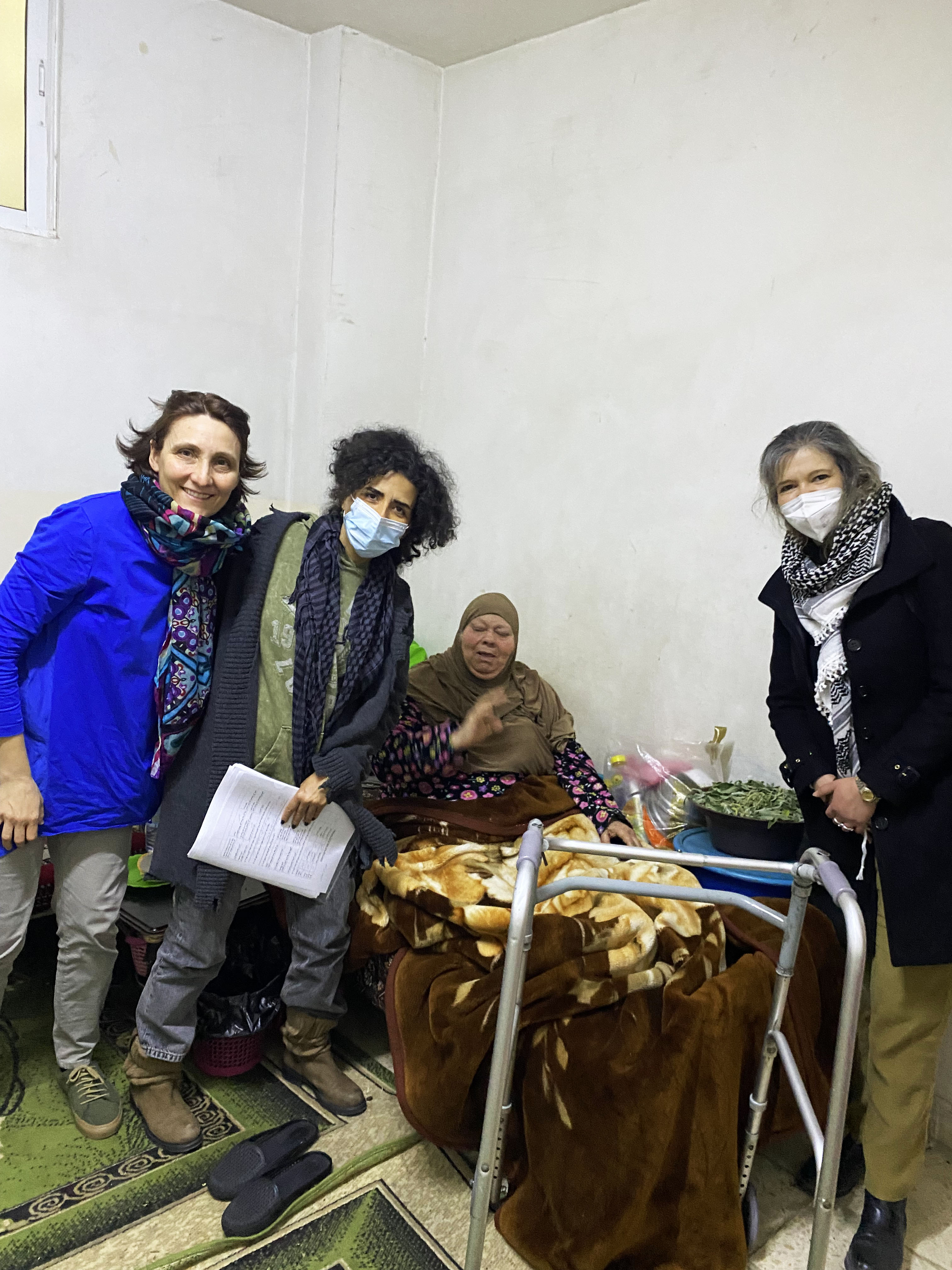
Qualitative data on water usage and health issues related to water pollution were collected through unstructured interviews with residents.
Getting closer to the citizens
the fourth and last stage of data acquisition included interviews with residents and questionnaires, which is still ongoing at the time this paper has been written. The purpose of this fourth stage was twofold. The team gathered in-depth data from residents on data usage habits and on issues related to poor water management. Interviews were administered in Arabic by female researchers, as the perspective of women on this issue was considered essential. It has to be highlighted that the team was warmly welcome by locals, demonstrating how the social fabric in Baqa’a holds very positive values and is committed to improve. Questionnaires were distributed to a sample of 100 residents, to acquire more widespread data on issues similar to those investigated more in depth through the interviews


Citizens Workshop
May 2023
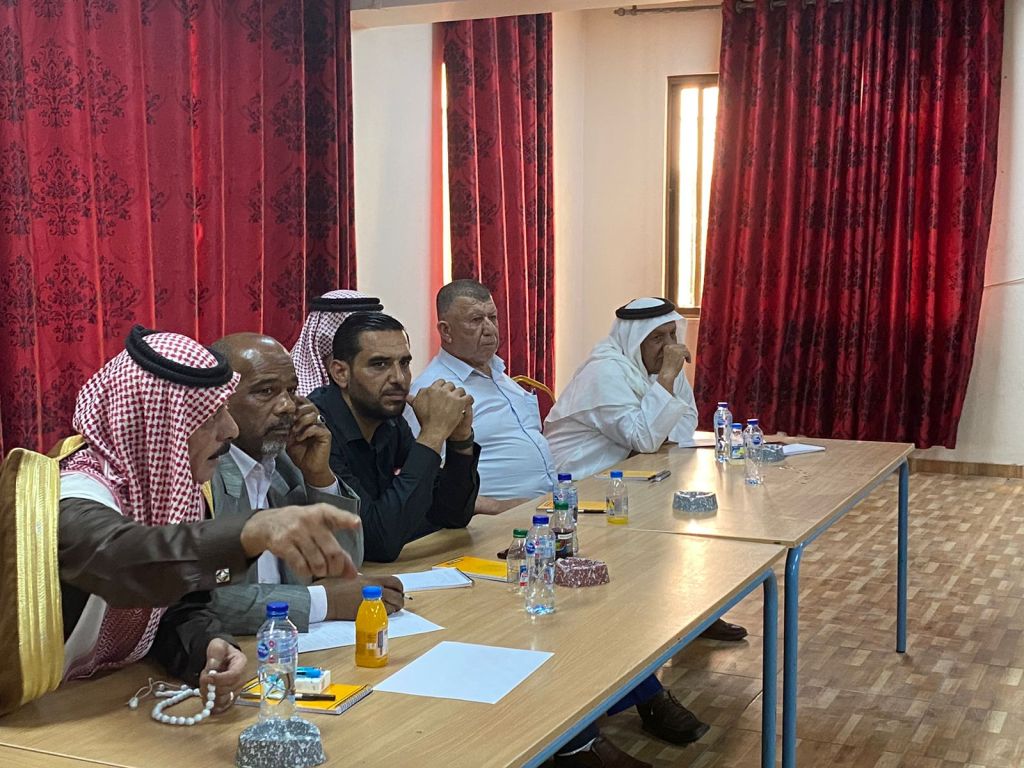
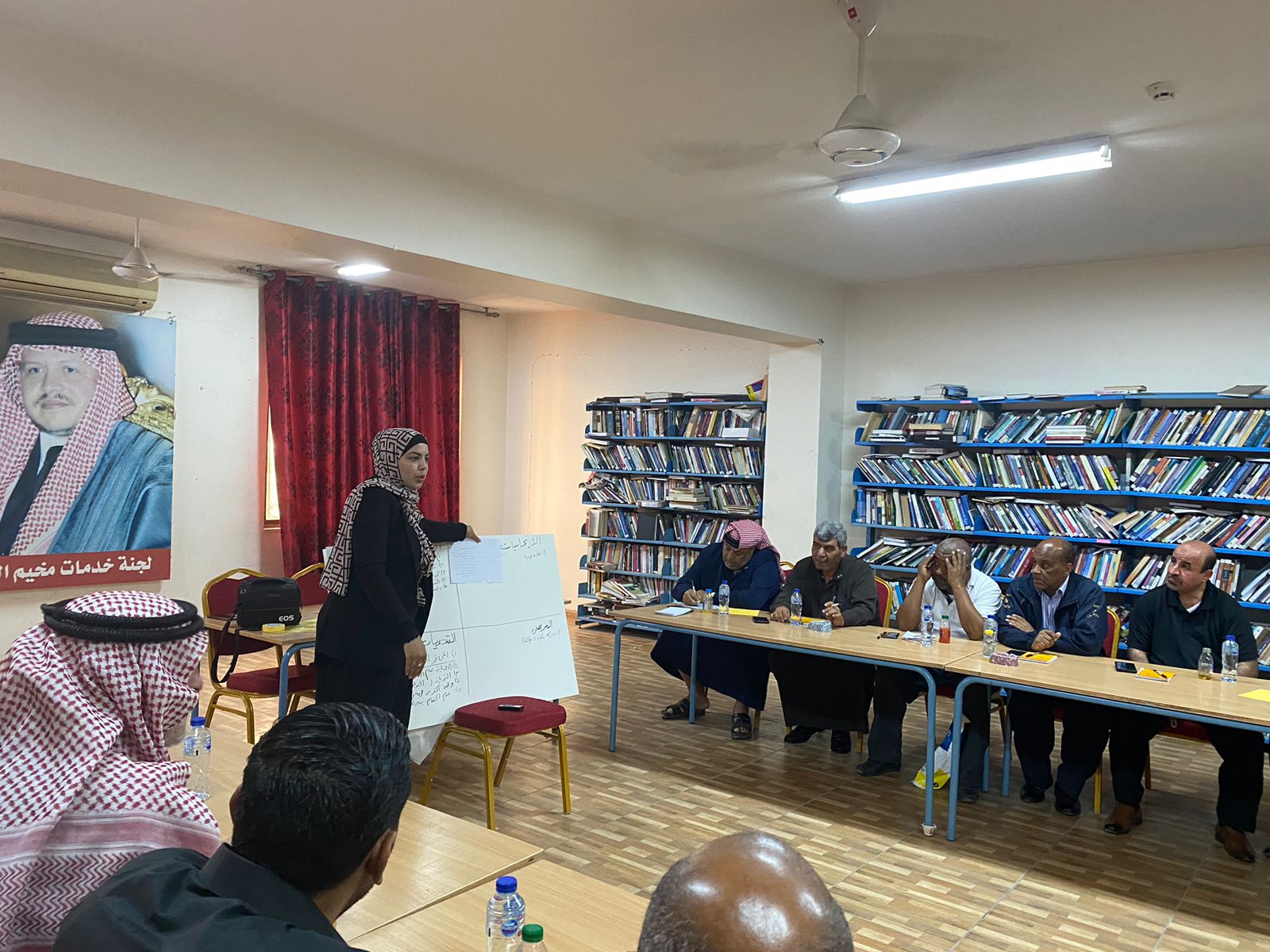
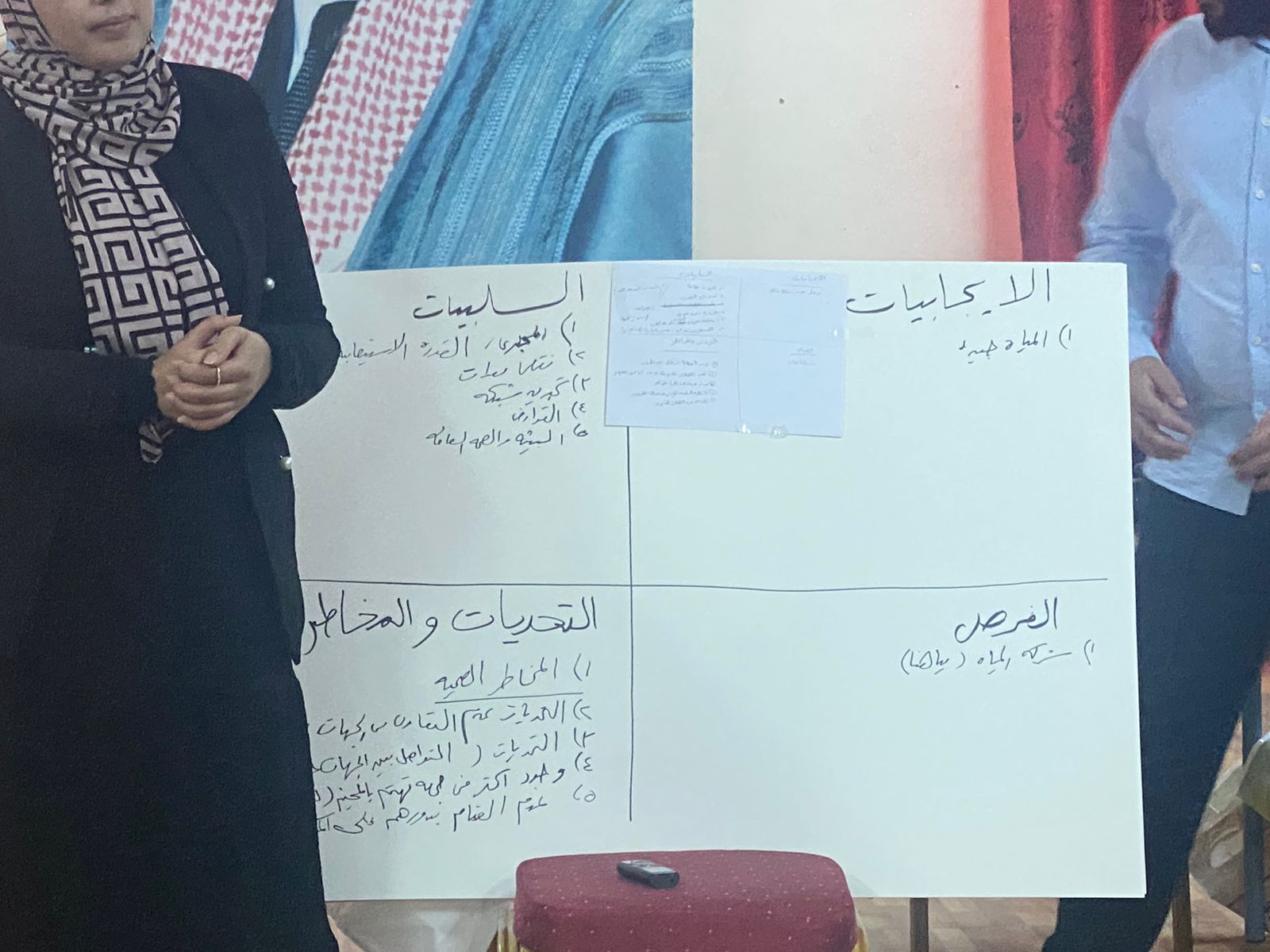
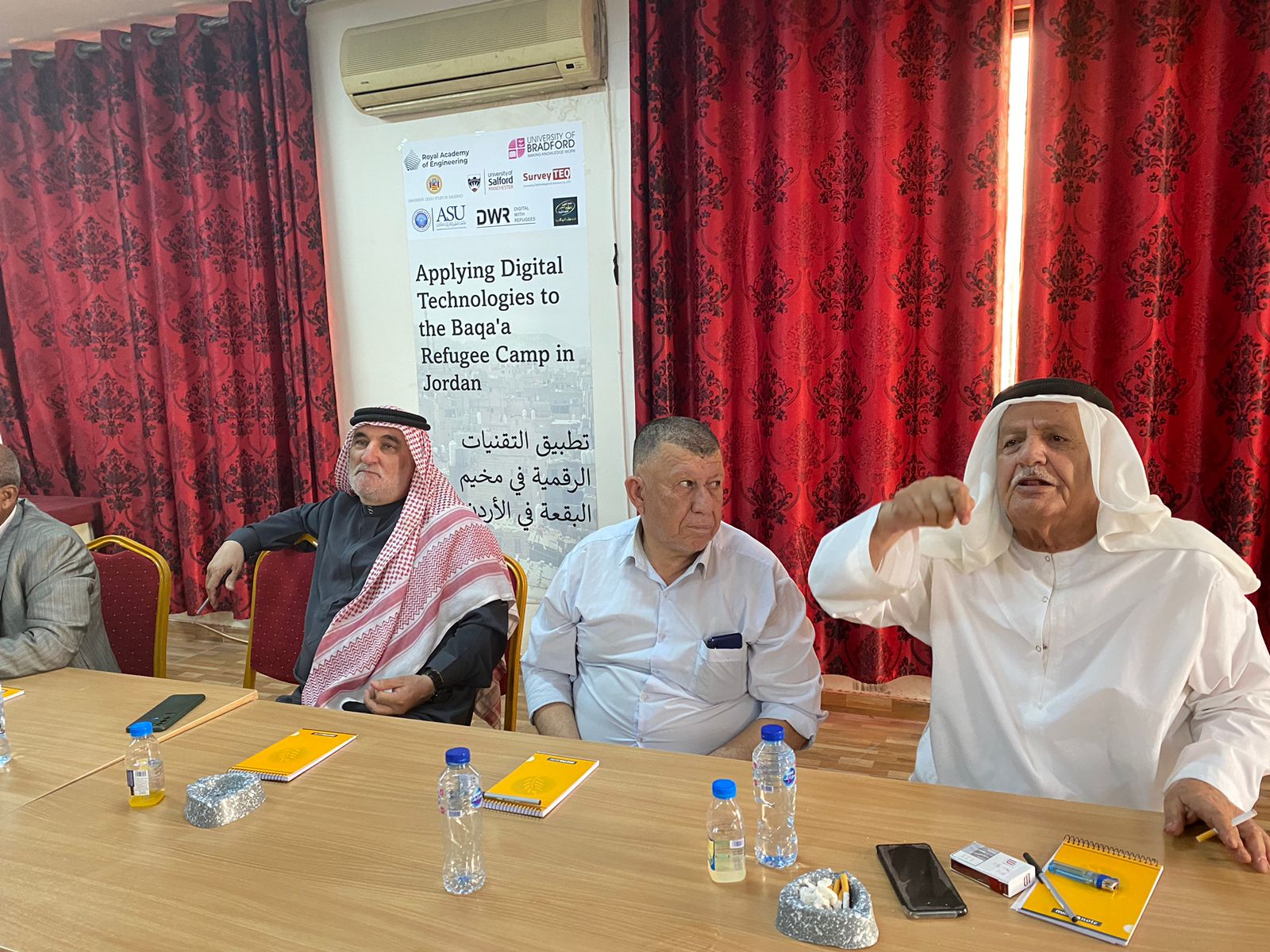
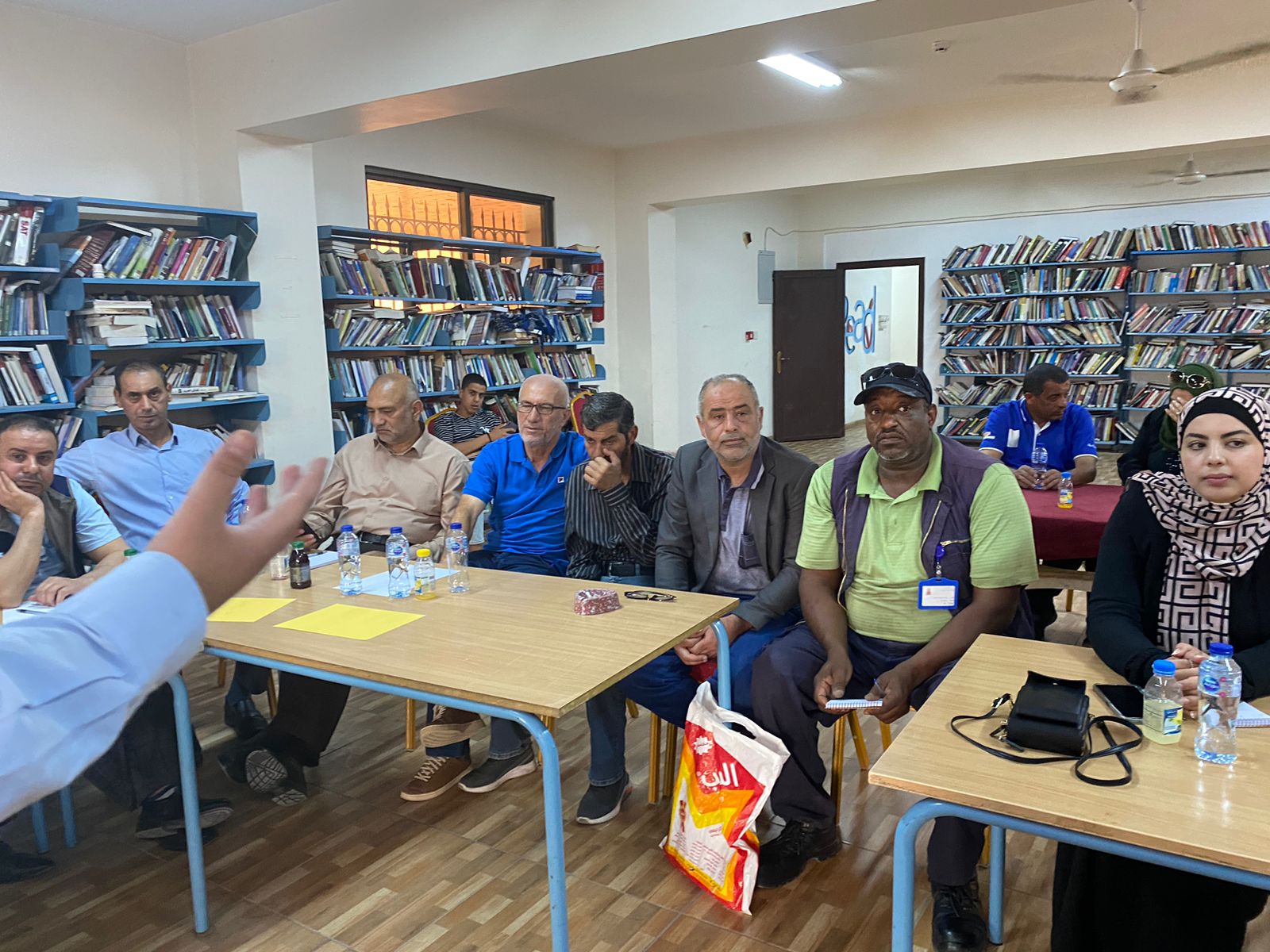
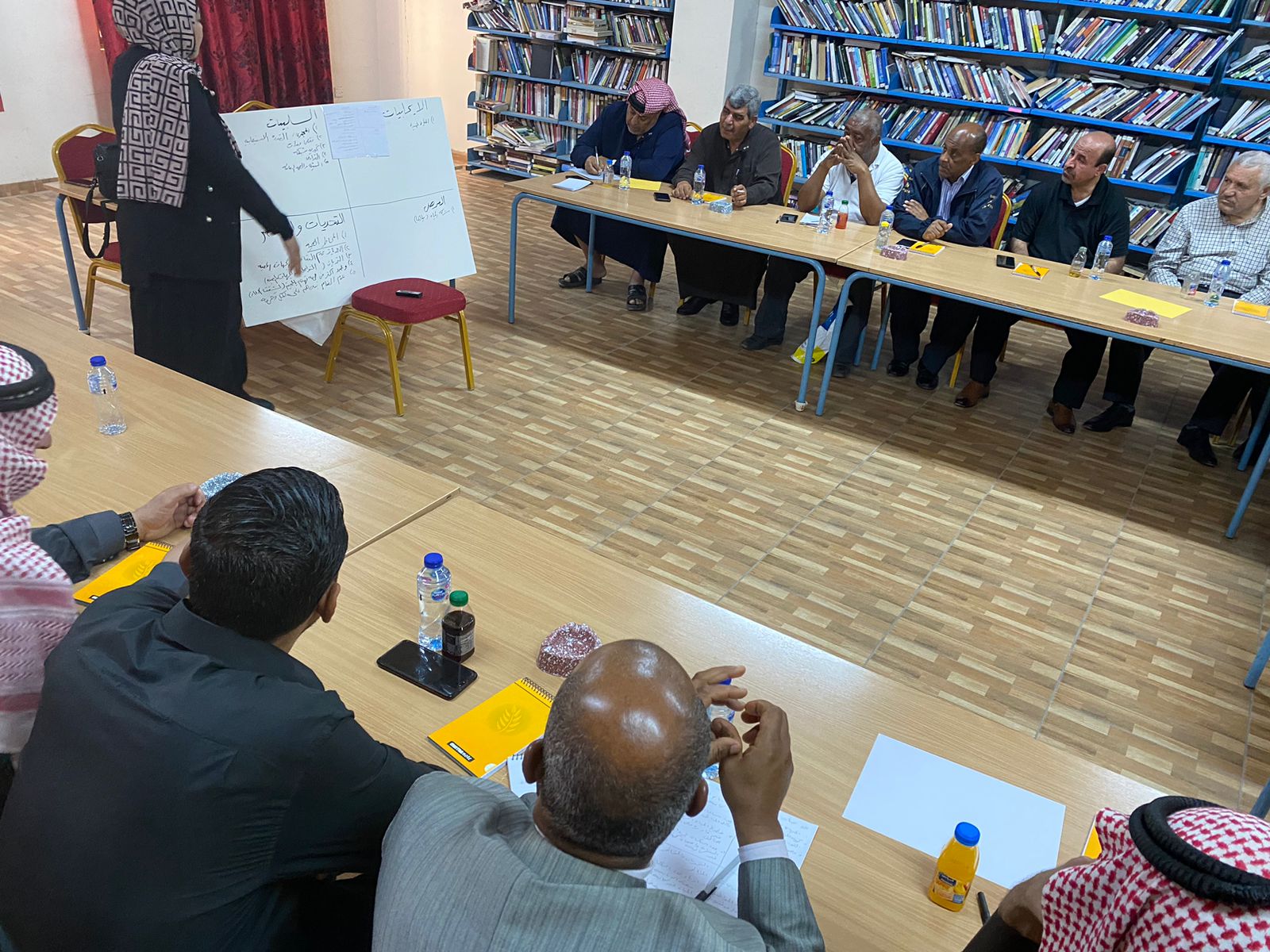
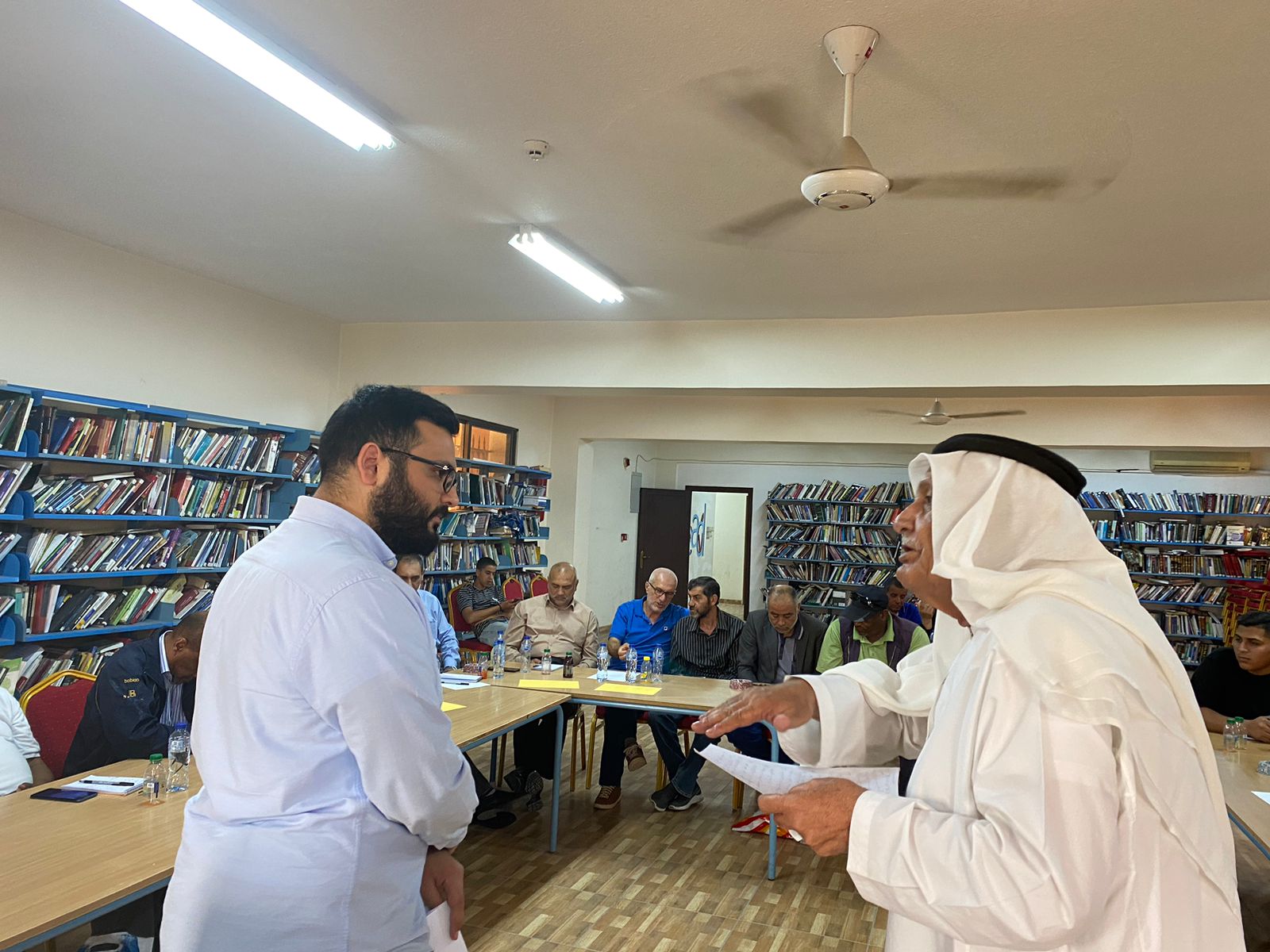
A community engagement session took place in Al Baqaa’ camp, involving local stakeholders. The purpose of the discussion was to address the challenges related to water management and explore potential solutions for the sanitation system. .
Community engagement session
During the session, the participants engaged in meaningful conversations regarding the pressing issues surrounding water management in the camp. They shared their insights, concerns, and experiences, highlighting the difficulties faced by the community in ensuring access to clean and safe water, as well as proper sanitation facilities. The workshop is conducted as part of the CIM-SUR project, which is funded by RAEng. Towards the conclusion of the workshop, the team delved into the potential application of CIM (City Information Modeling) in identifying challenges within densely populated areas. They explored the unique capabilities of CIM and contemplated the development of an application (APP) to facilitate water management in such high-density regions.
Project founded by the Royal Academy of Engineering

2020-2023
 Applying digital technologies to the Baqa'a Refugee Camp in Jordan